Last updated November 21, 2026
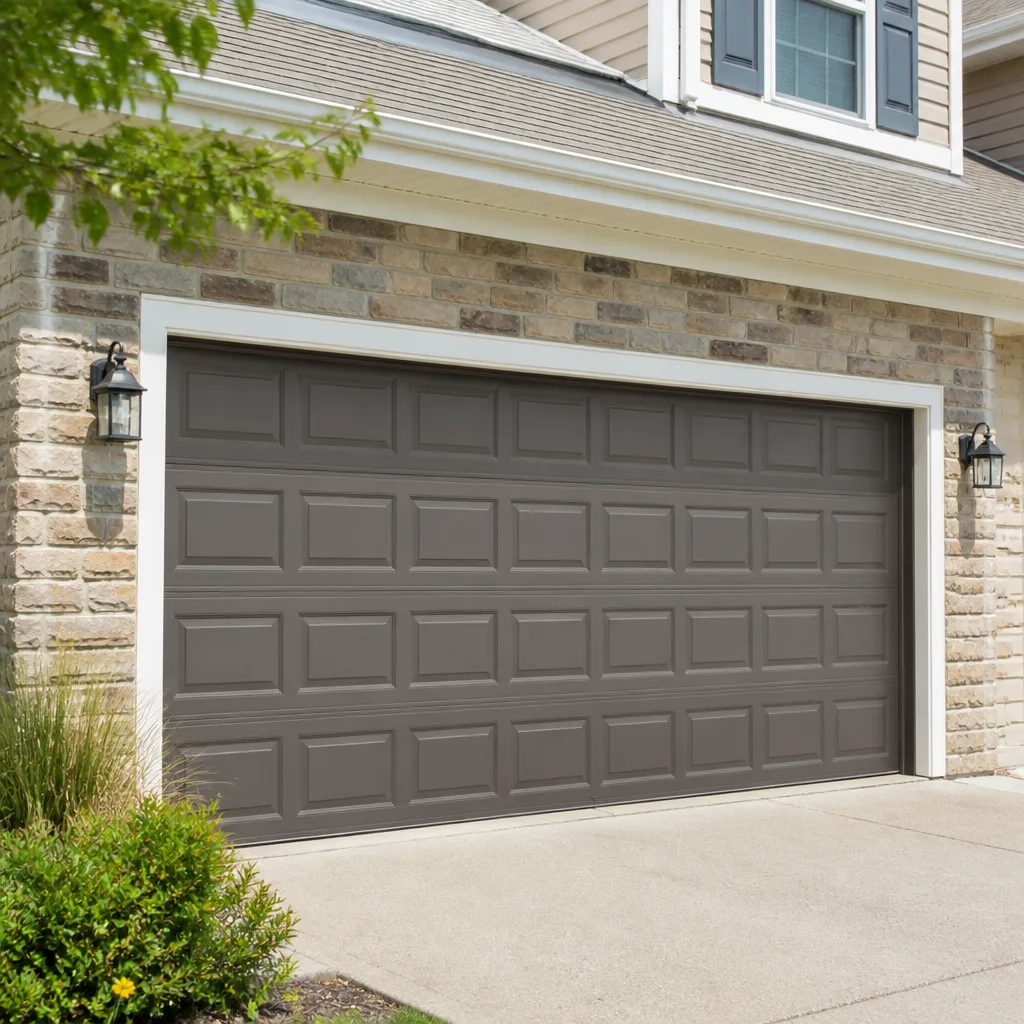 Raised-panel steel
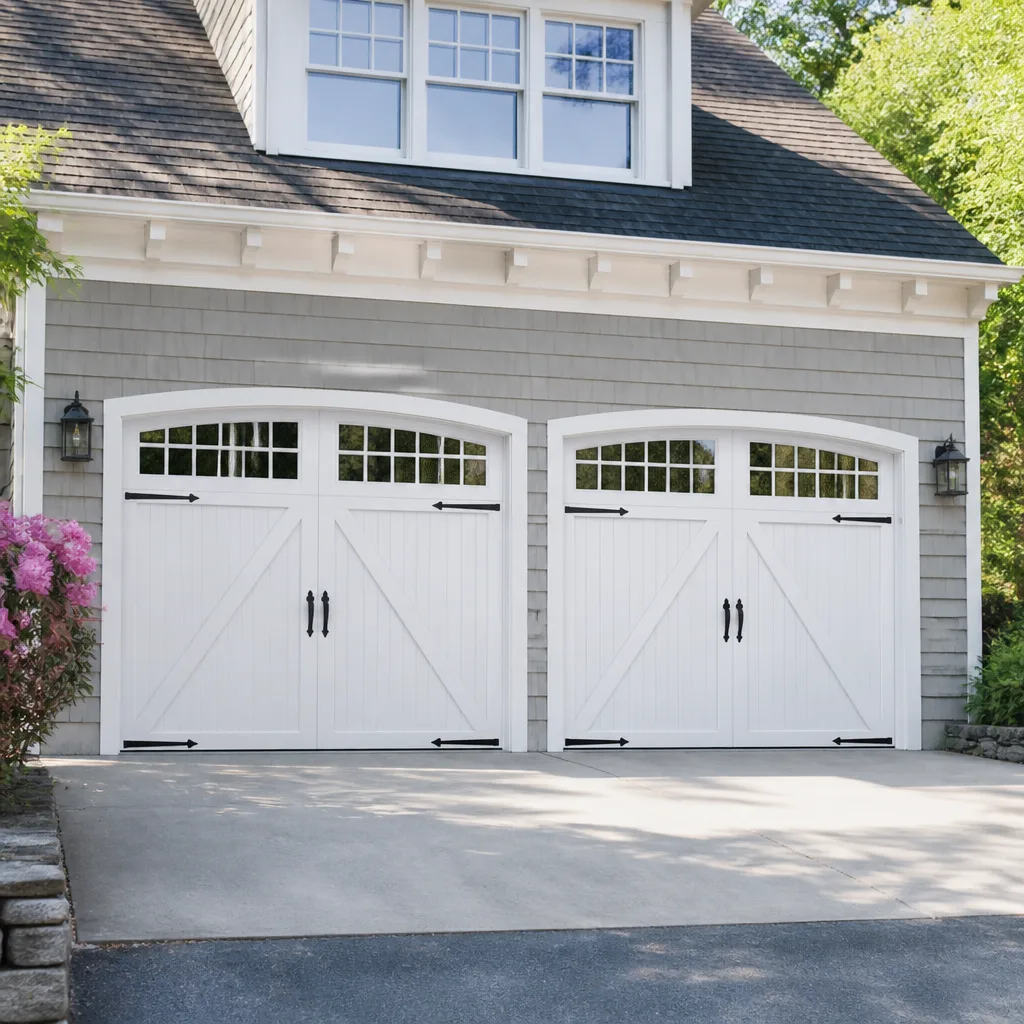 Carriage house
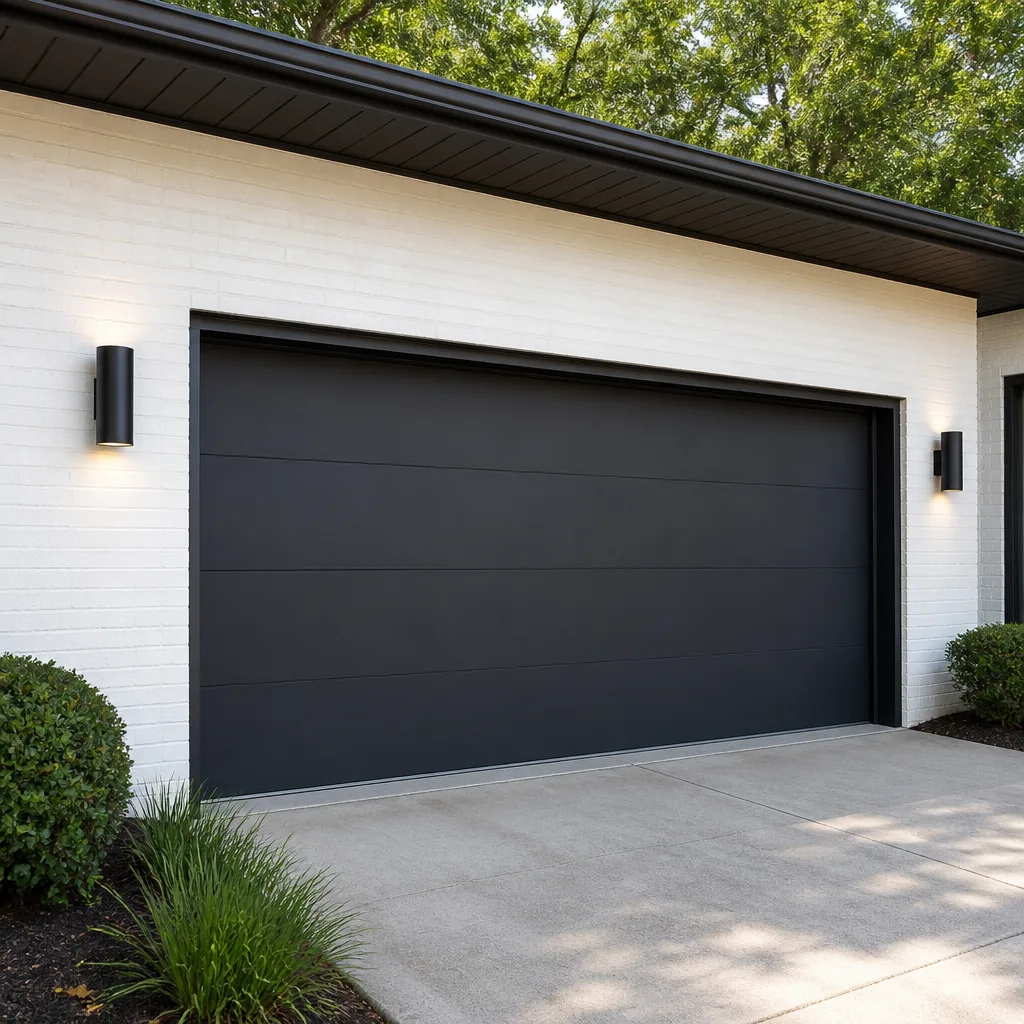 Modern flush
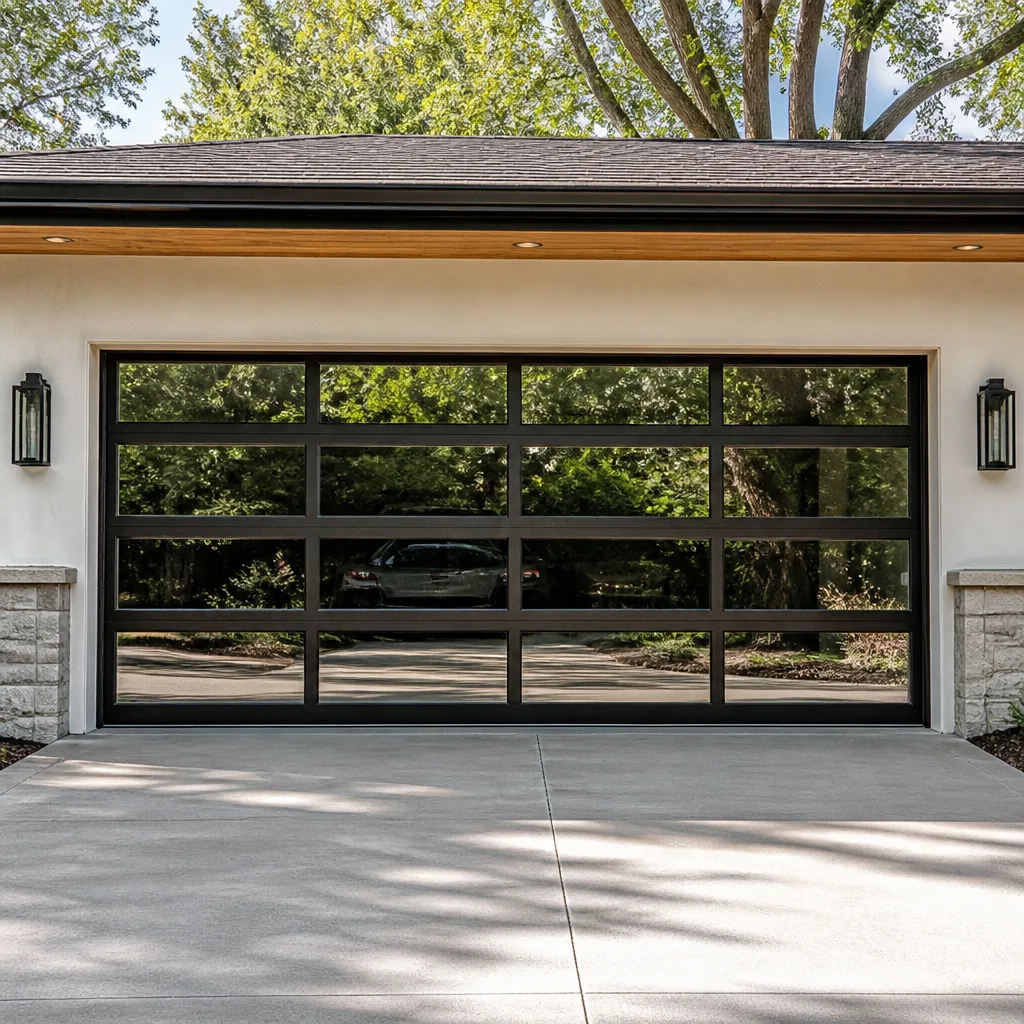 Full-view glass
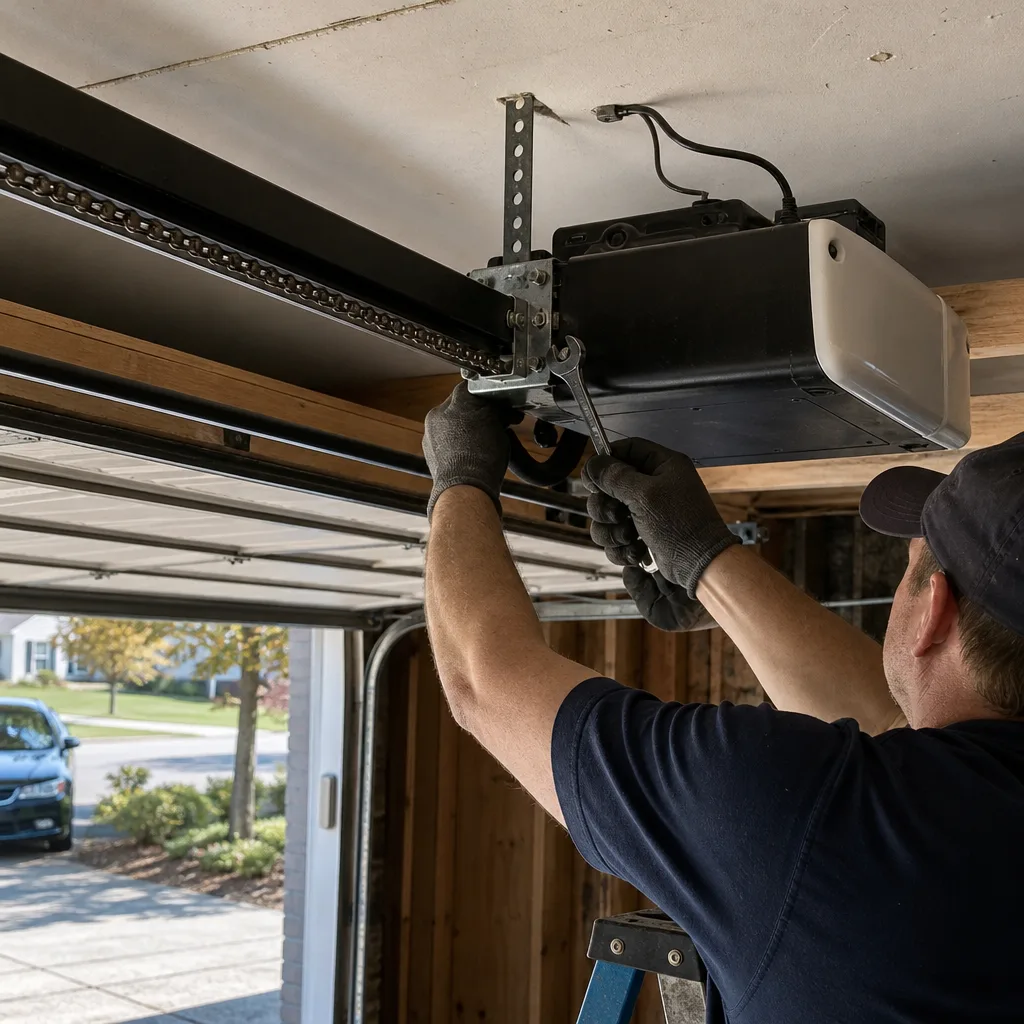
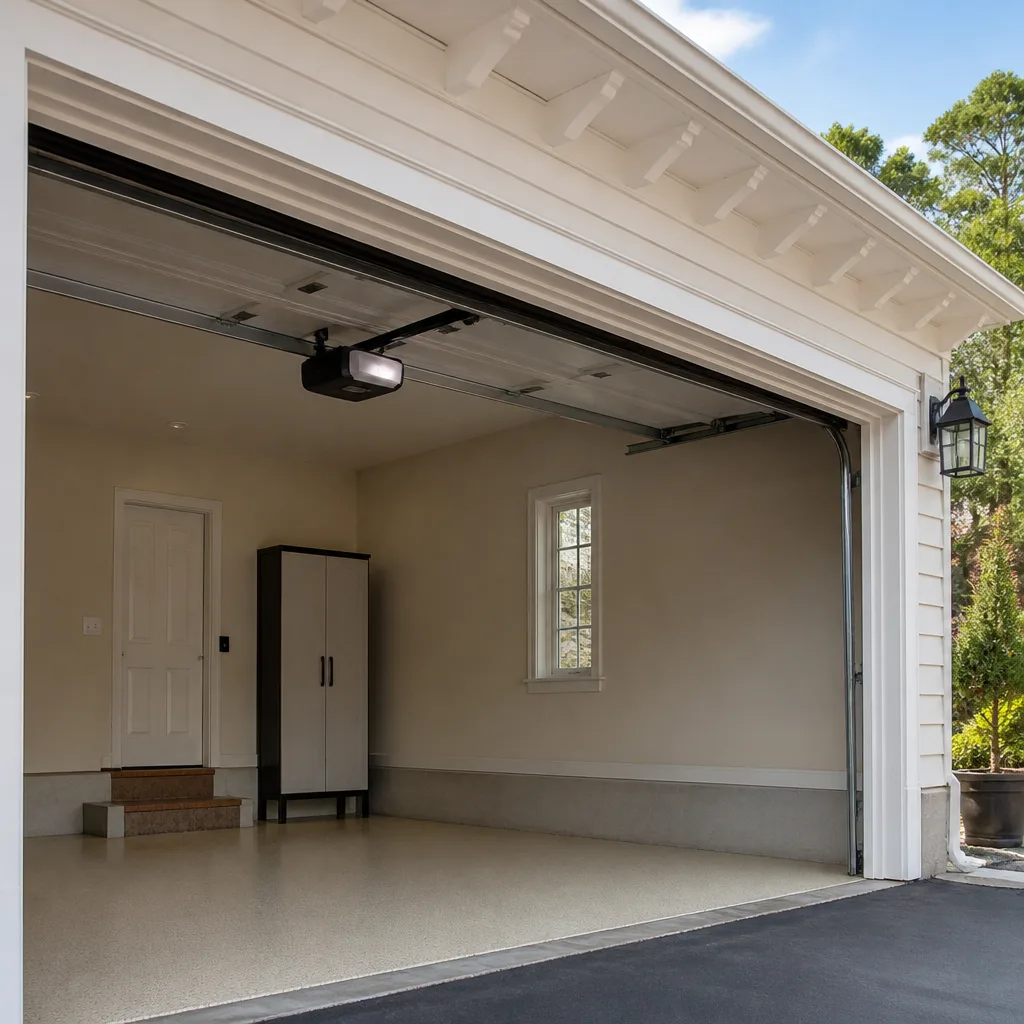 LiftMaster openers
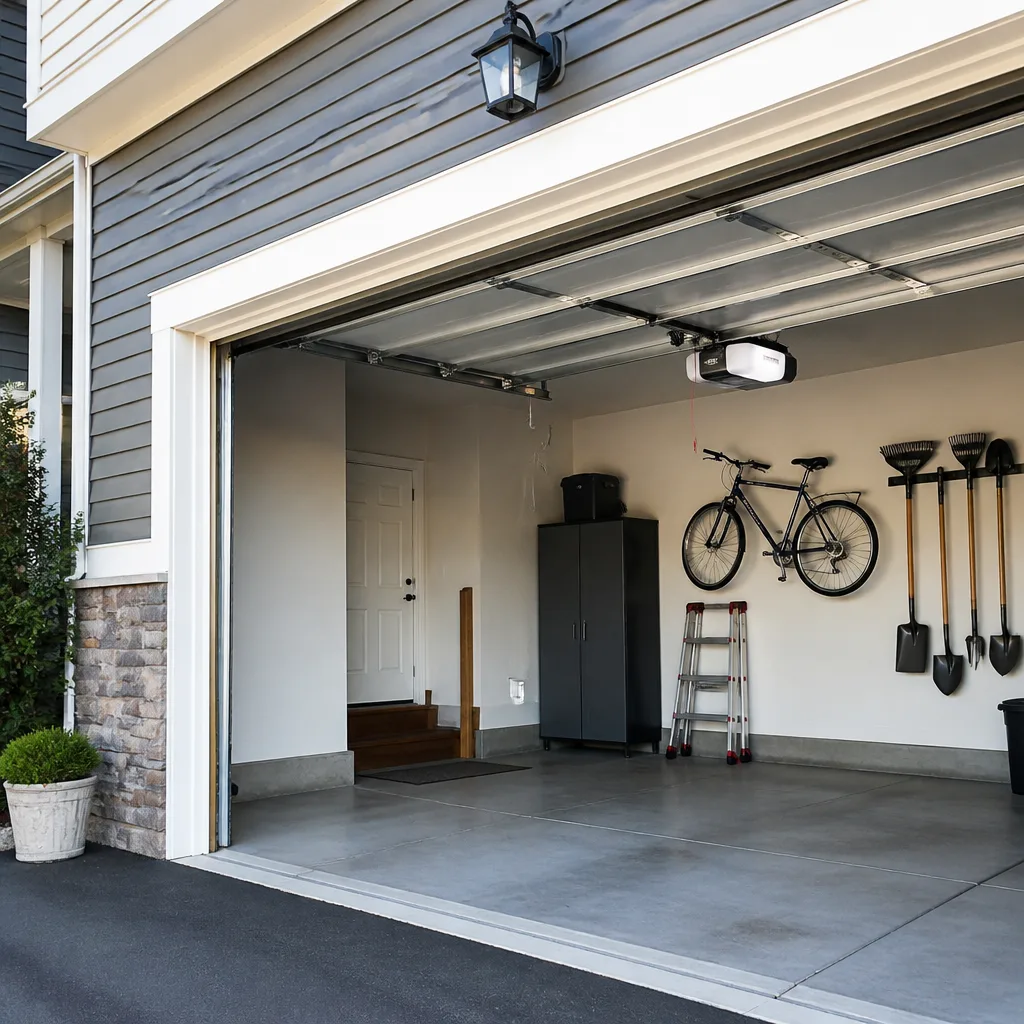 Chamberlain openers
Full 25-point door and opener safety check with every visit - springs, cables, rollers, tracks, and your LiftMaster or Chamberlain opener included
You get a price before we start. It does not change when the pro arrives.
Get your free estimateThe Complete Guide to Garage Doors in Allentown
Most garage door advice you’ll find online was written for a house built in 2005 in a subdivision with a standard 16-foot double bay and a perfectly square opening. That’s not most of Allentown. This city has one of the highest concentrations of pre-1960 housing in Pennsylvania, and a large share of those garages were framed when a car was lighter, a door was a single slab of wood, and nobody was hanging a 200-pound insulated door from the same header. When a modern replacement goes onto that old framing without anyone checking clearance, track sizing or spring selection, the door works fine for a season and then starts dragging, binding or eating springs. In this guide we’ll walk through how Allentown’s housing stock changes the rules, which materials actually survive Lehigh Valley humidity and the road salt dragged in off I-78 and Route 22, how to tell a panel upgrade from a full replacement, and how to read a local estimate line by line so you know what you’re paying for.
Quick Answer
A garage door project in Allentown comes down to three things: matching the door and spring system to the actual framing of your garage (not a catalog spec), choosing materials that handle freeze-thaw cycles and road salt, and getting a written, itemized estimate before anything is ordered or installed. Repair and opener work can often be handled quickly, sometimes the same day; a full replacement involves measuring, ordering and scheduling, so plan on a written quote first. Most projects also require checking with the City of Allentown’s building department to see whether a permit is triggered by the scope of work.
Styles & brands we work with
- Raised-panel steel
- Carriage house
- Modern flush
- Full-view glass
- LiftMaster openers
- Chamberlain openers
Table of Contents
- How Allentown’s Older Housing Stock Changes Everything
- Which Door Materials Hold Up in the Lehigh Valley
- Repair, Upgrade or Replace: Which Makes Financial Sense
- Springs, Cables and the Safety Rules That Matter
- Choosing and Maintaining an Opener in Allentown
- City of Allentown Rules and Permit Basics
- How to Read a Local Garage Door Estimate
- A Seasonal Maintenance Routine for This Climate
How Allentown’s Older Housing Stock Changes Everything
Allentown’s pre-1960 housing means a big share of local garages were built for doors that weighed a fraction of what’s sold today. That single fact drives most of the surprises homeowners run into. A garage framed in the 1940s or 1950s may have a header sized for a light wooden door, a ceiling height that limits how an opener can be mounted, and a track layout that doesn’t match the standard dimensions of a new insulated steel door.
Here’s what actually gets checked before a replacement goes in:
- Header clearance. The space above the opening has to accommodate the door in its raised position plus the track curve. Older garages sometimes have just enough for the original door and nothing more.
- Side clearance and track sizing. Standard 2-inch track needs room on each side. Narrow older bays may call for low-headroom or specialized track.
- Spring selection. A heavier insulated door needs a spring wound for that weight. Putting a heavier door on springs sized for the old one is how you get a door that won’t stay up, or a spring that fails early.
- Opening square and plumb. Settled framing is common in older Allentown homes. A door installed into an out-of-square opening binds against the track.
If your house was built during the Lehigh Valley’s postwar boom, none of this is unusual. It’s the norm. The right move is to have the opening measured before any door is ordered, so the door, track and springs are specified together instead of fitted by guesswork.
Which Door Materials Hold Up in the Lehigh Valley
Lehigh Valley weather is hard on exterior surfaces in a specific way: hot, humid summers, cold winters with repeated freeze-thaw cycles, and road salt tracked onto the door and into the tracks from I-78 and Route 22. That combination punishes different materials differently.
- Insulated steel. The most common choice for Allentown replacements. Handles humidity swings well, resists salt reasonably, and holds up to freeze-thaw without warping. Dents are the tradeoff.
- Aluminum. Light and rust-resistant, which helps with salt exposure, but it dents more easily and insulates poorly on its own unless it’s a full-panel insulated build.
- Wood and wood-composite. Beautiful on a period home, but wood needs repainting or resealing on a schedule or the humidity gets into it. Converted carriage bays often look best with wood, but budget for the upkeep.
- Vinyl and composite panels. Resist moisture and salt without painting, though the color and style range is narrower.
For most Allentown homes, an insulated steel door with a factory finish is the practical answer: it handles the humidity, shrugs off salt, and doesn’t need repainting every few years. If you want the look of wood on a period property, wood-composite gives you the appearance with less upkeep.
Repair, Upgrade or Replace: Which Makes Financial Sense
This is the decision that trips up the most homeowners, because the honest answer depends on which Allentown neighborhood you’re in and what condition the door is actually in. A full replacement and a panel-and-hardware upgrade solve different problems.
As a rough guide:
- Panel or section replacement makes sense when the door structure and springs are sound but one or two panels are dented, rusted or damaged. Common on steel doors where a single panel took an impact.
- Hardware and roller upgrade makes sense when the door operates but is noisy, binding or cycling roughly. New rollers, hinges and a properly balanced spring can add years to a door that’s otherwise fine.
- Full replacement makes sense when the door is out of square, the panels are failing, the springs are wrong for the door, or the insulation is so poor that the garage is unusable in winter. It’s also the answer when the framing can’t safely carry the door you want without modification.
For a well-kept postwar home in a neighborhood like Rittersville or East Allentown, a panel and hardware upgrade often makes the most financial sense. For a home where the door is failing across multiple panels and the springs are undersized anyway, replacing the whole system is usually cheaper over the long run than patching it repeatedly.
Springs, Cables and the Safety Rules That Matter
Springs and cables are the part of a garage door system that can seriously injure someone, and they’re the part most often mishandled. A torsion spring is under enough tension to cause real harm if it’s released without the right tools and the right technique, and an extension spring can fail suddenly. This is not a job to attempt because a video made it look straightforward.
What a trained technician does on a spring job:
- Identifies the spring type (torsion or extension), its wire gauge and the door’s actual weight.
- Matches the replacement spring to that weight and cycle expectation, not to a generic size.
- Uses proper winding bars and a controlled release with the door in the correct position.
- Re-balances the door and tests the safety reverse and travel limits after the spring is set.
If a spring fails, the door may not lift at all, or it may drop suddenly. Don’t force it. Spring repair is a dedicated service for a reason, and it needs to be done by someone trained for it. Our technicians have up to 12 years of experience, and spring work is one area where that experience matters most. You can learn more about how we handle it on our garage door repair page.
Choosing and Maintaining an Opener in Allentown
An opener is only as good as the door it’s lifting. In Allentown’s older garages, a common problem is a modern opener bolted to a door that’s heavy, poorly balanced or running on worn rollers. The opener strains, the safety reverse misbehaves, and the door still doesn’t work well.
When we look at an opener problem, we check the door first: balance, rollers, hinges, spring tension. If the door moves freely by hand, then the opener is the place to look. If it doesn’t, replacing the opener won’t fix anything.
On the opener side, brand matters less than correct setup. We work with the brands most Allentown homes already have, including LiftMaster, Chamberlain, Genie and Craftsman, and we match the opener’s force settings, travel limits and safety reverse to the door. Belt drives run quieter, chain drives are tougher, and screw drives sit somewhere in between. If the opener is failing, our garage door opener repair service covers the drive system and the door together, so there’s no handoff between two companies when the problem spans both.
City of Allentown Rules and Permit Basics
Whether a garage door project needs a permit depends on the scope of work, and the only reliable answer comes from the City of Allentown’s building department. As a general guide, straightforward replacement of a door in the existing opening with the same size and type often doesn’t trigger a permit, while structural changes, enlarging an opening, adding a new opening, or changing the framing usually do.
What to ask the city:
- Does replacing the door in the existing opening require a permit?
- Does changing the door’s size or the opening dimensions require one?
- Are there any restrictions on the door’s appearance in your zoning district?
- Does adding or modifying the opener wiring require an electrical permit?
Don’t guess at this, and don’t let anyone tell you “we never pull permits for doors.” A short call to the building department before the project starts is the simplest way to avoid a problem after the door is in. If your project involves changing the opening, get the answer in writing before ordering anything.
How to Read a Local Garage Door Estimate
A garage door estimate should be itemized enough that you can see what you’re paying for. If it’s one lump number with no breakdown, ask for a line-item version before you agree to anything.
A standard Allentown estimate usually includes:
- Door and panels, with the model and insulation level named.
- Track and hardware, including rollers, hinges and any low-headroom or specialized track.
- Springs, listed separately and matched to the door weight.
- Opener if included, with brand and drive type.
- Labor and disposal of the old door and materials.
- Permit fees if a permit is required.
Two things to watch for on a low-ball bid. First, a price that doesn’t name the door model or the spring type: that’s how a heavier door ends up on undersized springs. Second, a bid that’s dramatically below the others with no explanation: something has been left out, usually the hardware or the disposal, and it reappears later. Get the price in writing, confirm it before any work starts, and treat the written estimate as the number that sets the final price.
A Seasonal Maintenance Routine for This Climate
Freeze-thaw cycles and road salt are the two forces that wear out an Allentown garage door fastest. A short routine a couple of times a year prevents most of the premature failures we see.
- Lubricate the moving parts. Rollers, hinges and the spring with a proper garage door lubricant, not WD-40, especially before winter.
- Wash the door and tracks. Rinse salt and grit off the panels and out of the tracks, particularly after the roads have been salted.
- Check the balance. Disconnect the opener and lift the door halfway by hand. It should stay put. If it drops or rises, the springs need attention.
- Test the safety reverse. Put an object in the door’s path and confirm it reverses. If it doesn’t, stop using the opener and get it checked.
- Look at the weather seal. Replace the bottom seal when it’s cracked or flattened so snow and water don’t get under the door.
If any of that turns up a problem with the springs, cables or the opener’s force settings, leave it to a technician. Those are the parts where a small mistake causes a big problem.
Common Mistakes to Avoid
- Ordering a door before measuring the opening. In older Allentown garages, the opening is rarely square or standard. Measure first, order second, or you’ll be fitting a door that fights its track.
- Putting a heavier door on the old springs. If you’re upgrading to an insulated door, the springs have to be matched to the new weight. Reusing springs sized for a lighter door is one of the most common causes of early spring failure.
- Ignoring the door when the opener acts up. A struggling opener is often a symptom of a binding door, worn rollers or a failing spring. Replacing the opener alone just burns out the new one.
- Taking a low-ball bid without an itemized scope. A price with no model, no spring spec and no disposal line is not a real quote. Ask for the breakdown before you agree.
- Forgetting the salt. Road salt off I-78 and Route 22 sits on the door and in the tracks all winter. Rinse it off or it works its way into the finish and the hardware.
- Attempting spring work yourself. High-tension springs can cause serious injury when they release unexpectedly. This is the one part of the system to leave to a trained technician.
- Assuming no permit is needed without asking. The scope of work decides it. A quick call to the City of Allentown building department settles the question before the project starts.
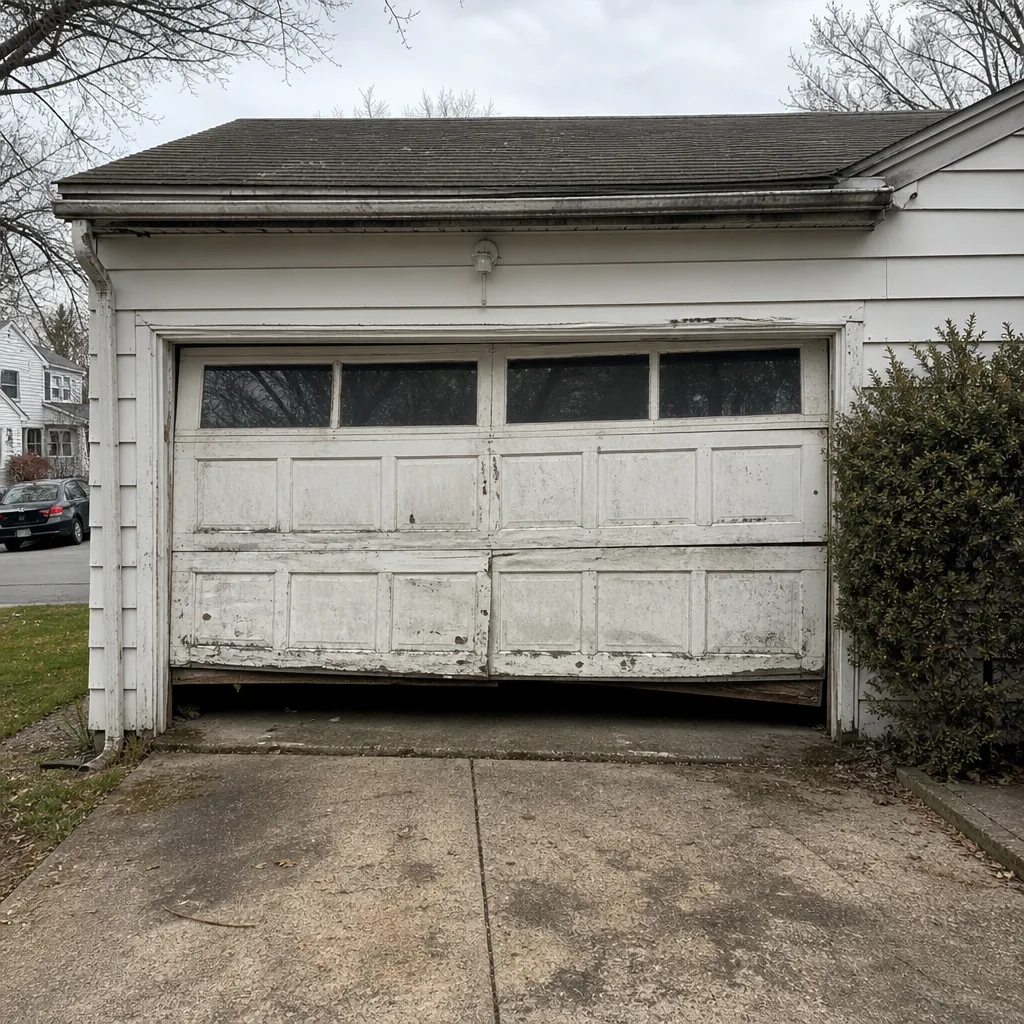
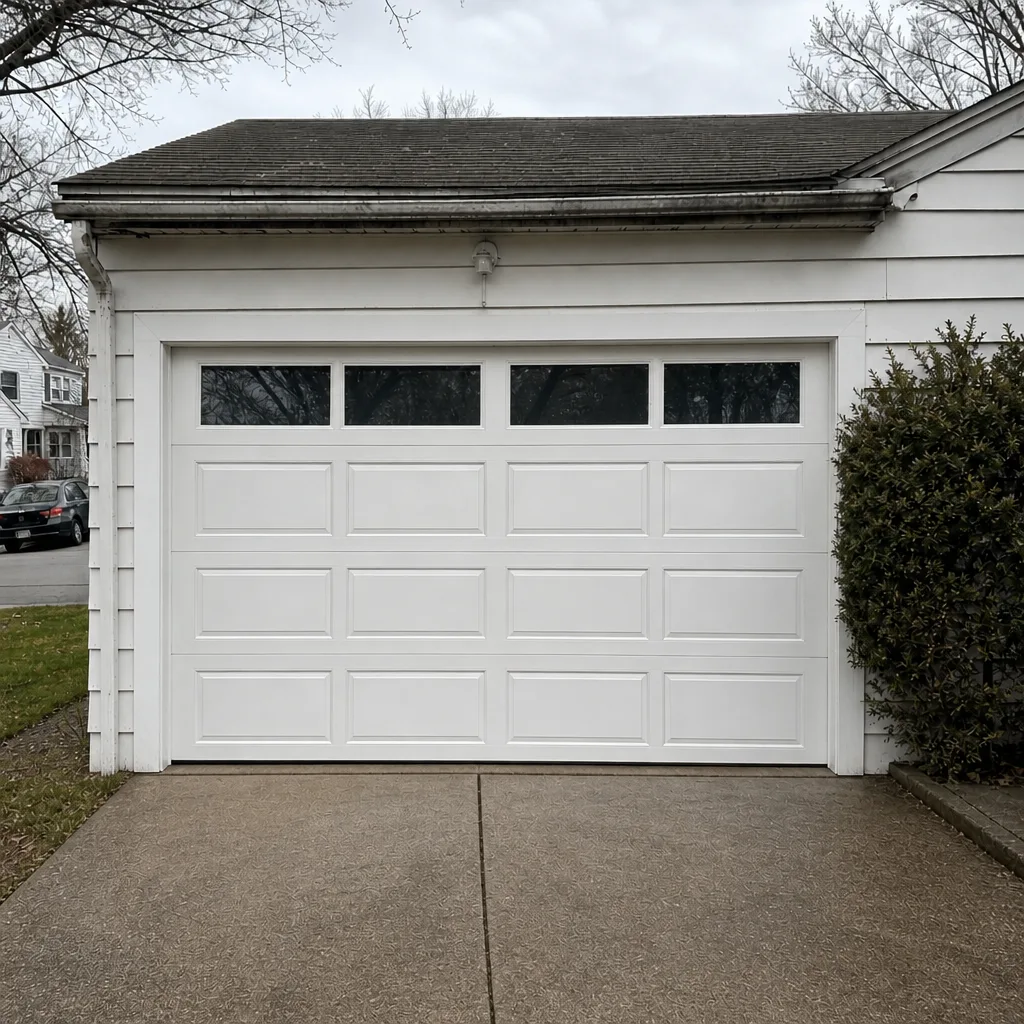
See the difference
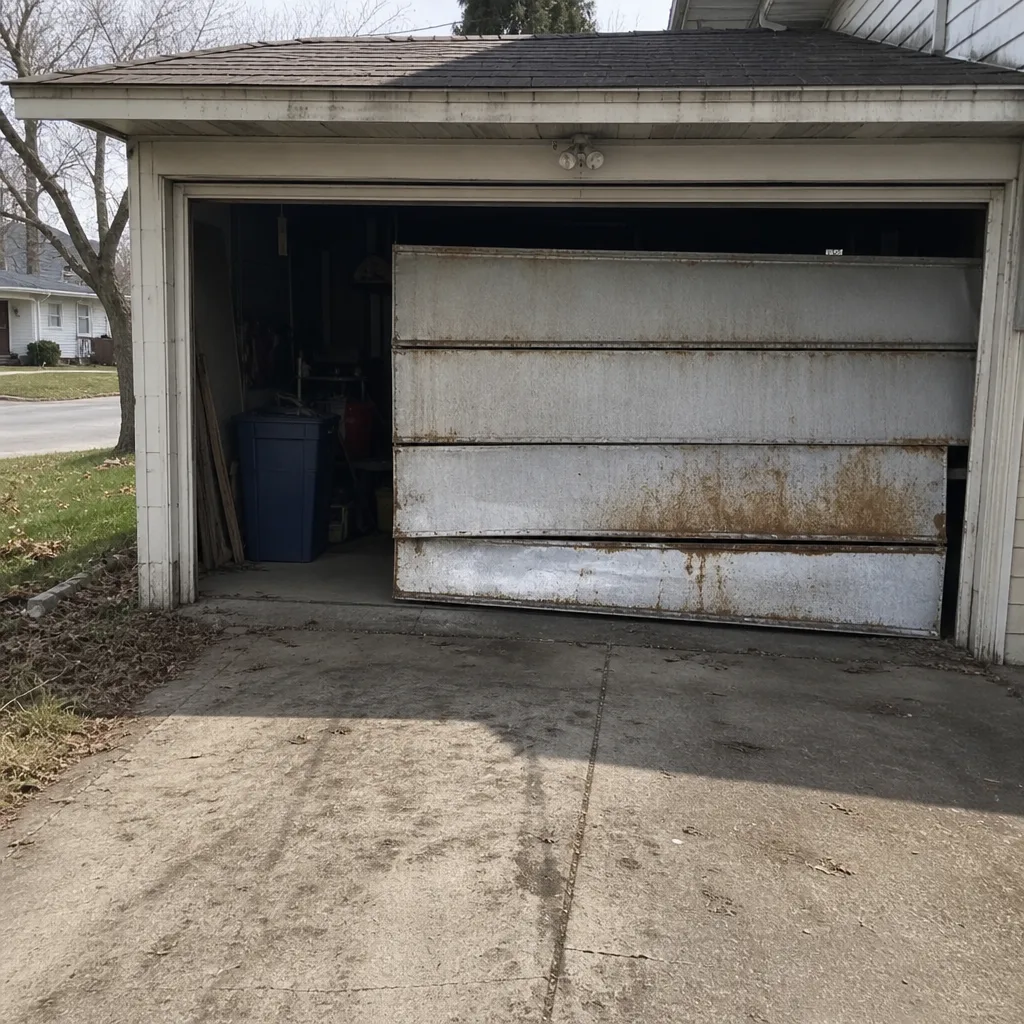 Before
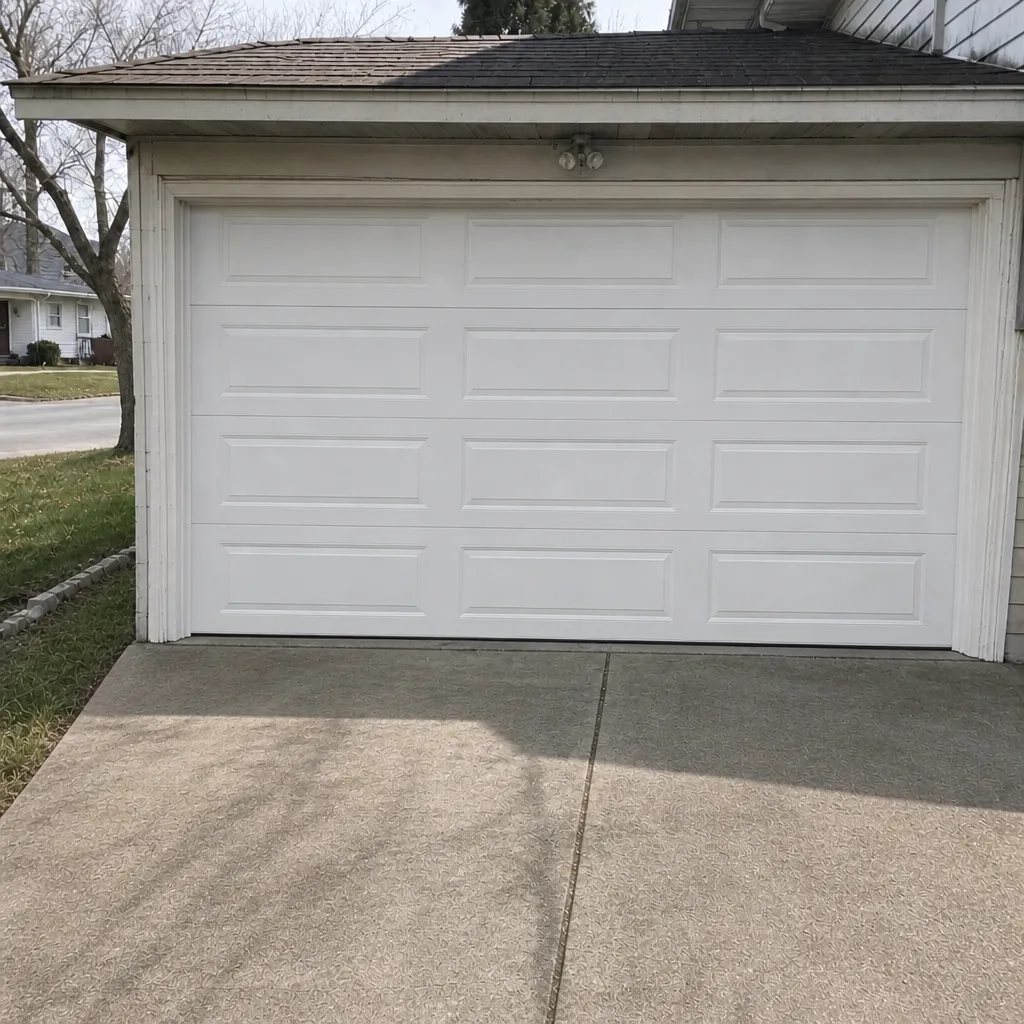 After
 Before
 After
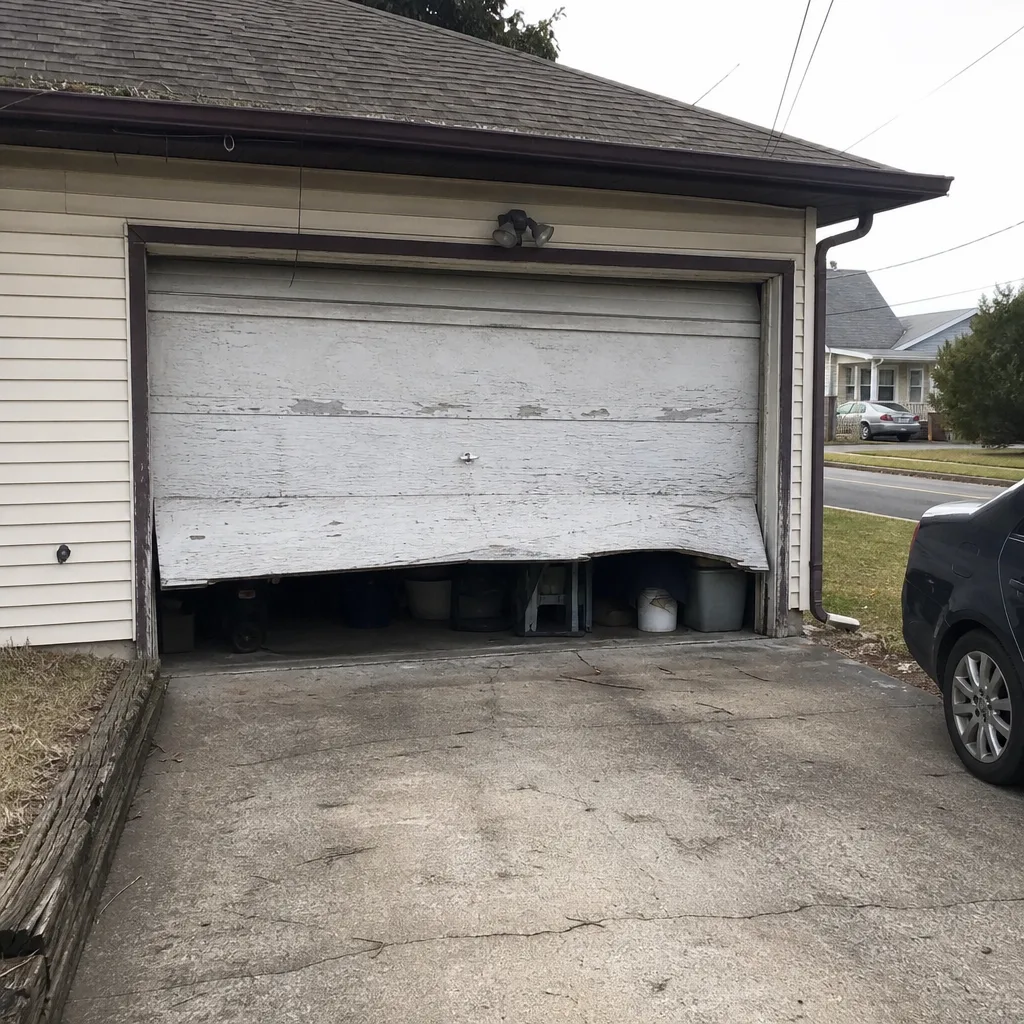 Before
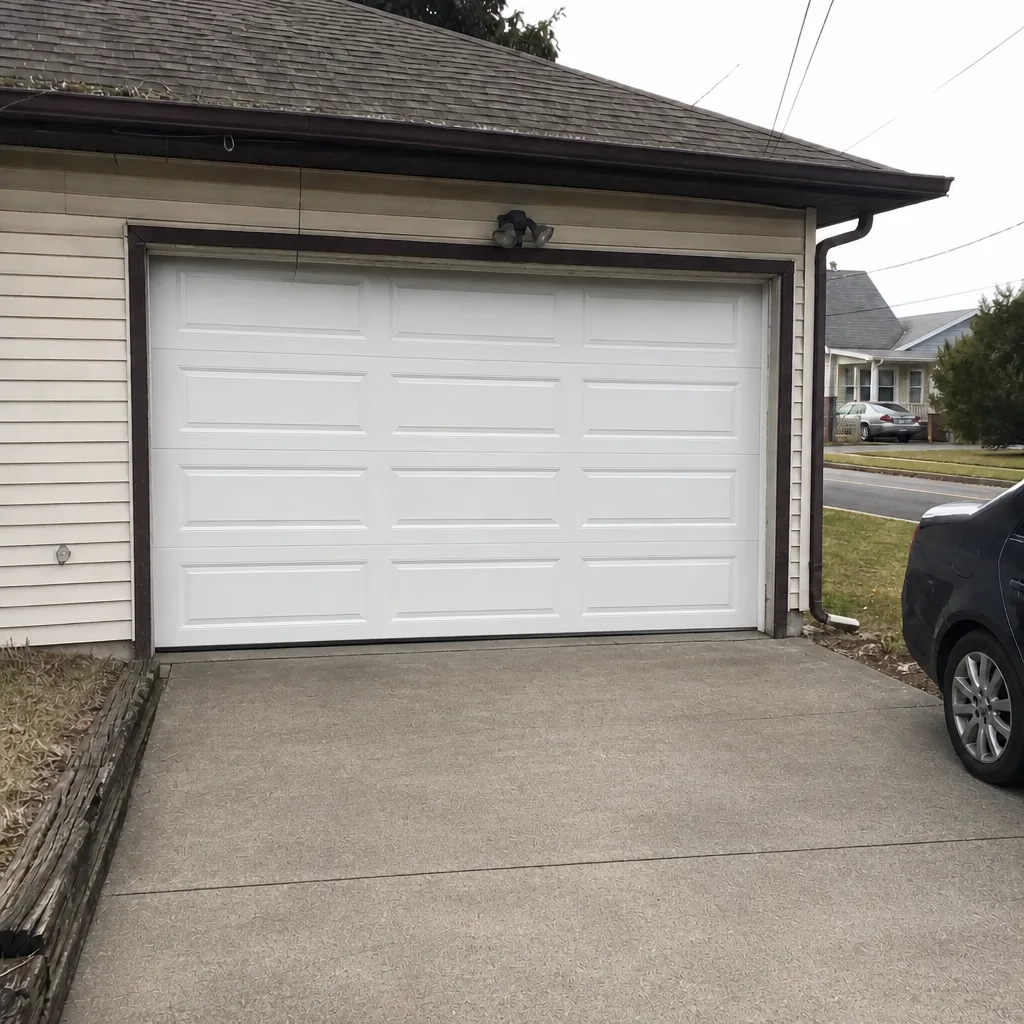 After
When to Call a Professional
Some garage door problems are safe to handle yourself: a noisy roller, a worn weather seal, a remote that needs a new battery. Others aren’t. Call a professional when a spring breaks or the door won’t stay up, when a cable is frayed or loose, when the door comes off its track, when the opener reverses incorrectly or won’t respond to the safety test, or when a door panel is damaged badly enough that the structure is compromised. In those cases, the risk of injury or further damage outweighs any savings from a DIY approach.
Allentown Garage Door Repair Co offers free estimates in Allentown. We work on the door and the opener together, we carry certified working knowledge of the major brands including LiftMaster, Chamberlain, Genie, Clopay, Amarr, Wayne Dalton, Craftsman and Raynor, and we handle emergency calls when a door fails and can’t wait. Call (866) 401-7289 and we’ll get you a written price before any work starts. You can see the full scope of what we do on our Allentown Garage Door Repair Co page, and if you’re planning a replacement, the details of our garage door installation service will show you what to expect.
Frequently Asked Questions
Most garage door repairs in Allentown fall into a modest range, and the specific price depends on what’s wrong: a roller or hinge replacement is at the low end, an opener repair sits in the middle, and spring work runs higher because it’s a safety-critical job. The written estimate you get before work starts is the number that sets the final price, so ask for it in writing. Call (866) 401-7289 for an exact quote, and the estimate is free.
Often, yes. Emergency garage door service is a core part of what we do, not an upsell, so a broken spring or a dead opener gets priority over routine scheduled work. Availability depends on what’s happening that day, so the fastest way to find out is to call. Call (866) 401-7289 and we’ll tell you what we can do.
No, the written estimate is the price. If we open up the door and find something the estimate didn’t account for, we stop and talk to you about it before doing any additional work. The number you agree to before the job starts is the number you pay. Call (866) 401-7289 to get that estimate scheduled.
It depends on the scope of the work, and the City of Allentown’s building department is the authority on it. Replacing a door in the existing opening often doesn’t need a permit, while enlarging the opening or changing the framing usually does. Call the building department before the project starts, and if a permit applies, make sure it’s included in your estimate. Call (866) 401-7289 if you want help figuring out what to ask.
Springs break from cycle wear, and a spring that’s undersized for a heavy door breaks sooner. You should not replace one yourself: a torsion spring is under enough tension to cause serious injury if it releases without the right tools and technique. Spring repair is a dedicated service, and it needs a trained technician. Call (866) 401-7289 and we’ll handle it safely.
We only connect you with independent local professionals who are state-licensed and insured as their state requires. That’s the standard we hold the work to, and the vetted pro who comes to your door carries the licensing and insurance for the job. Call (866) 401-7289 to schedule an estimate.
The Bottom Line
Garage doors in Allentown aren’t a generic project. The older housing stock means header clearance, track sizing and spring selection need to be checked against your actual garage, not a catalog. The Lehigh Valley climate means insulated steel and regular salt rinsing pay off, and that spring work belongs in trained hands. Whether you’re upgrading a postwar home or dealing with a failing door, the steps are the same: measure the opening, choose materials that handle the climate, get an itemized written estimate, and confirm the price before any work starts. Allentown Garage Door Repair Co works on the door and the opener together, across the brands you already have, and we’re here when a door fails. Call (866) 401-7289 for a free estimate.
Written by the team at Allentown Garage Door Repair Co.