Last updated November 21, 2026
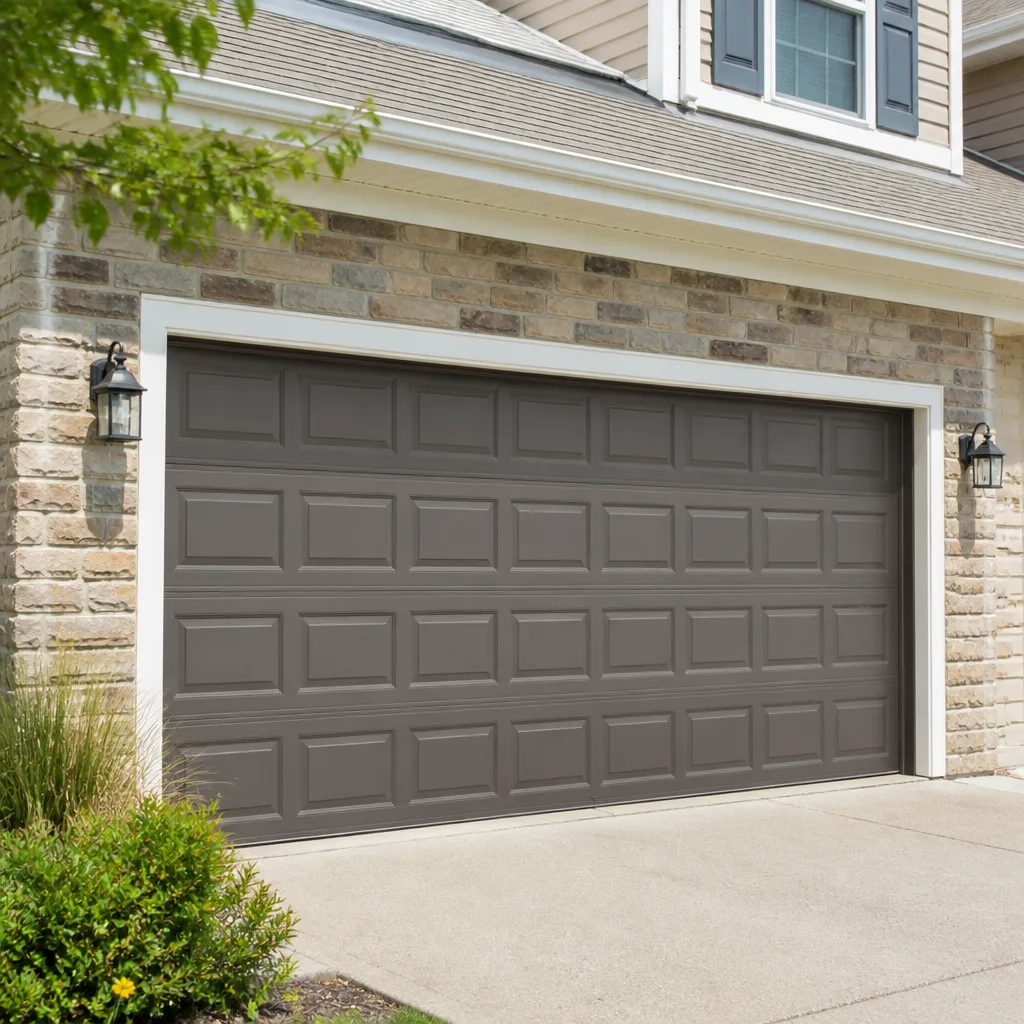 Raised-panel steel
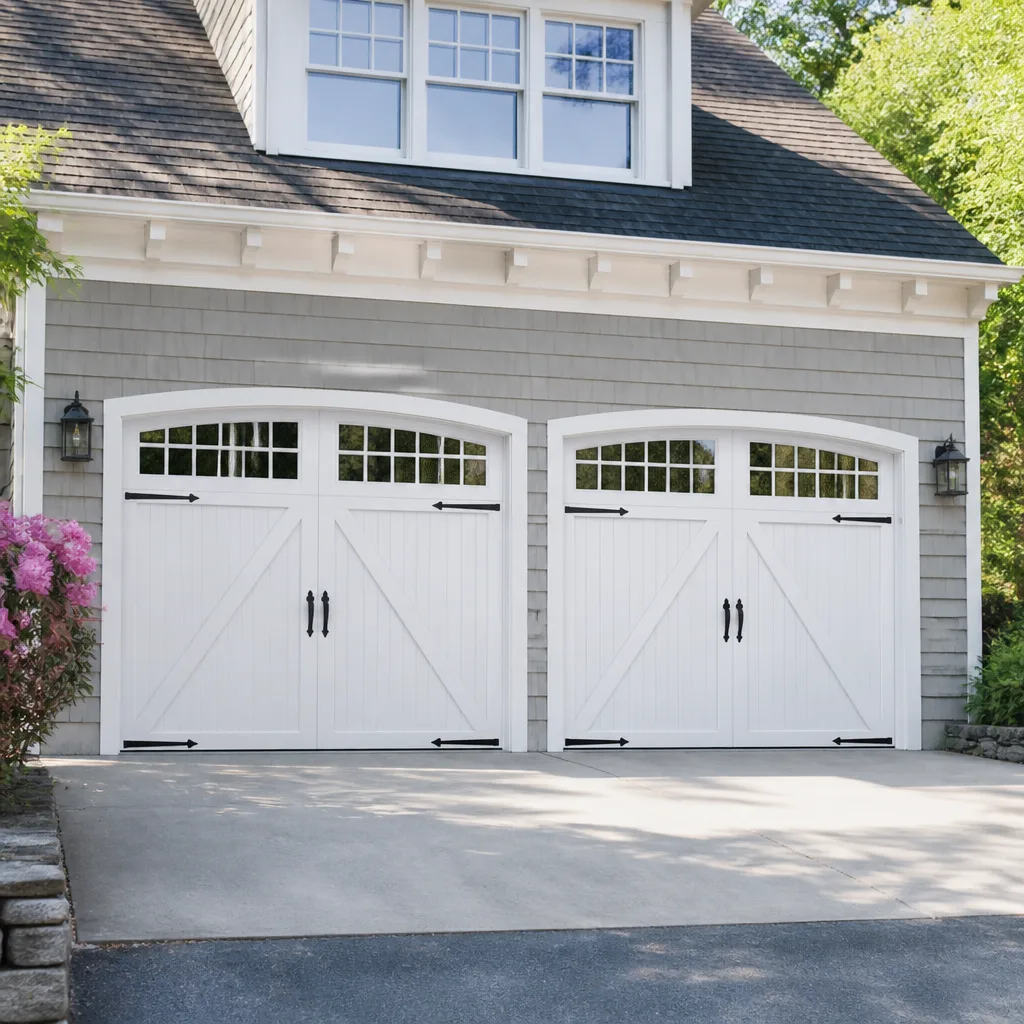 Carriage house
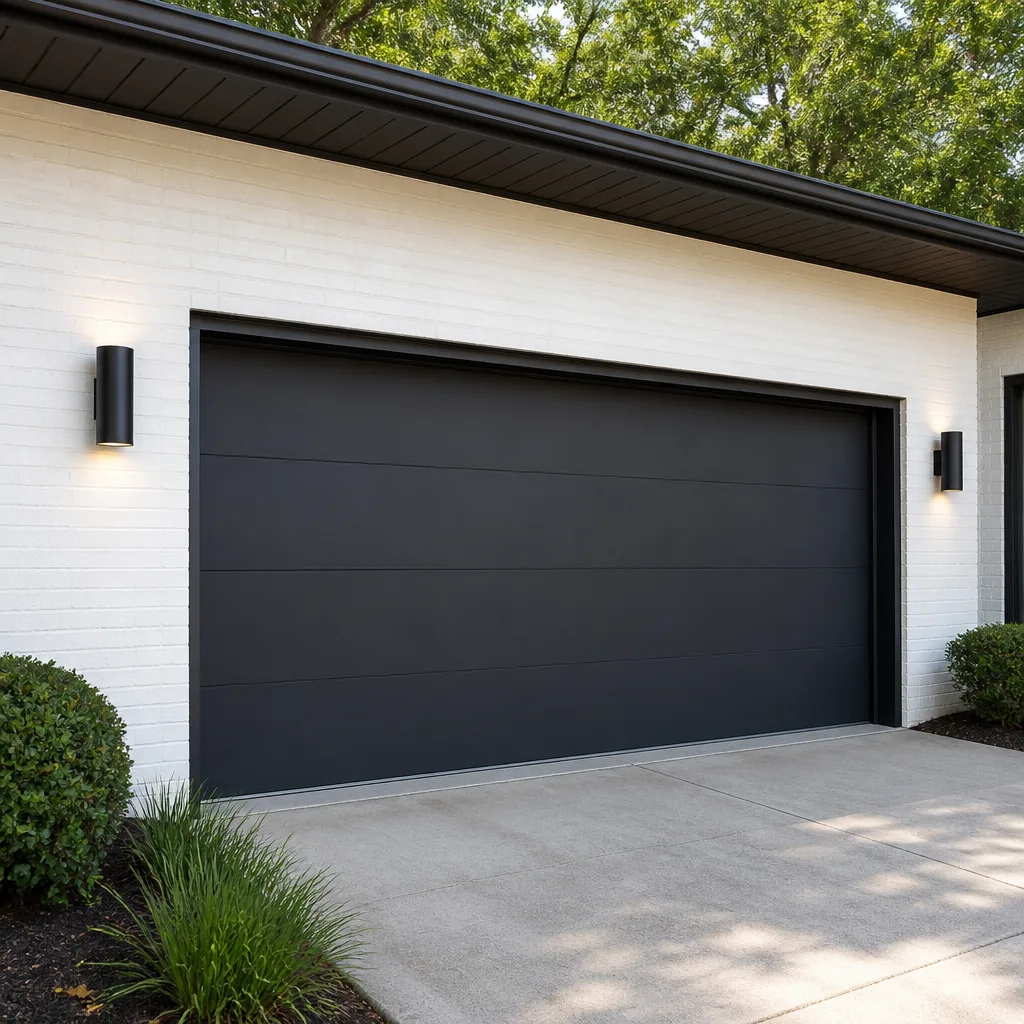 Modern flush
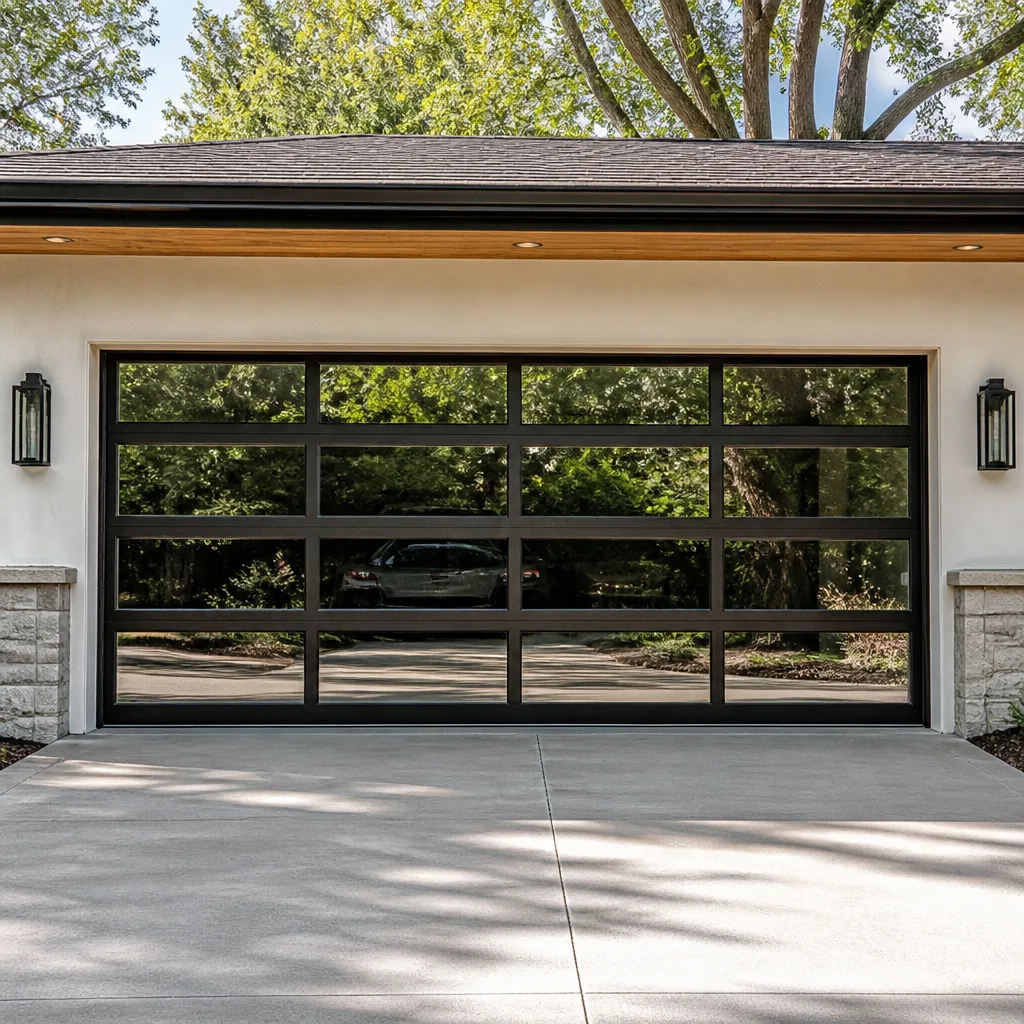 Full-view glass
 LiftMaster openers
 Chamberlain openers
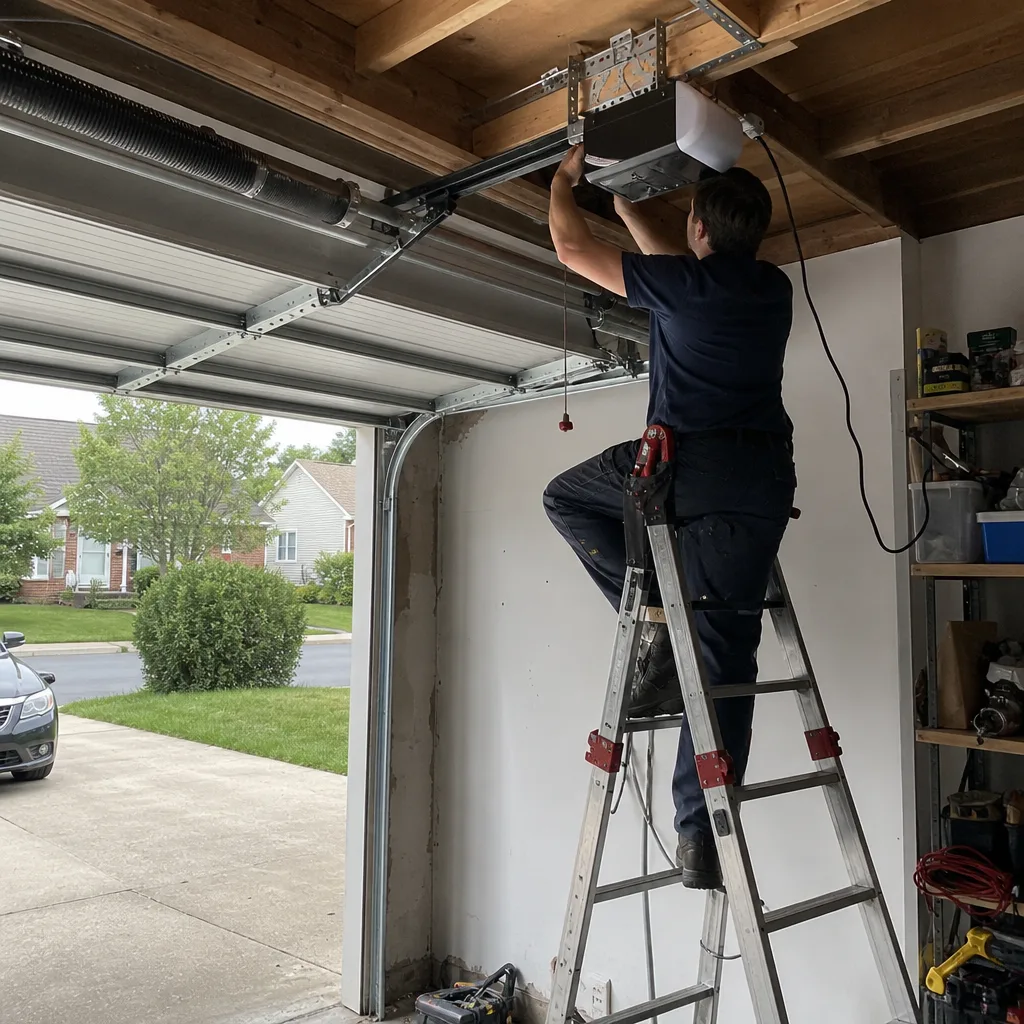
Full 25-point door and opener safety check with every visit - springs, cables, rollers, tracks, and your LiftMaster or Chamberlain opener included
You get a price before we start. It does not change when the pro arrives.
Get your free estimateChoosing the Right Garage Door Brand: A Buyer’s Guide for Allentown
A brand can manufacture a beautiful door and a mediocre spring system. In the Lehigh Valley’s temperature swings, it’s the spring system that decides your next five years of repair history, not the door’s curb appeal. Most buyers never ask about it. They compare colors, window inserts and panel patterns, then let a dealer pick the brand. That’s backwards. Before you sign anything in Allentown, you should know which brands put real steel and honest springs into their doors, which ones leave you waiting a week for a bracket, and which warranties actually get honored when something fails. This guide covers all of it from the technician’s side of the truck.
Quick Answer
The best garage door brand in Allentown depends on what you’re buying, but in general terms: Clopay and Amarr make the strongest residential steel doors, Wayne Dalton offers good value on insulated models, and CHI is worth looking at for its construction. For openers, LiftMaster and Chamberlain dominate for a reason, and Genie and Craftsman hold up well as budget alternatives. The brand matters less than the gauge of the steel, the quality of the spring system and whether local parts are stocked. A well-built door from any of these brands, installed correctly, will outperform a premium door installed poorly.
Styles & brands we work with
- Raised-panel steel
- Carriage house
- Modern flush
- Full-view glass
- LiftMaster openers
- Chamberlain openers
Table of Contents
- Why Brand Matters More Than Most Buyers Realize
- The Four Brands in Allentown Showrooms, Compared Honestly
- Steel Gauge: The Number Dealers Skip
- Spring Quality and Why It Decides Your Repair Bill
- Insulation Consistency: What the Label Doesn’t Tell You
- Parts Availability in the Lehigh Valley
- Warranty Reality: What’s Covered and What Isn’t
- How Allentown’s Climate Should Shape Your Choice
- The Opener Brand Question
Why Brand Matters More Than Most Buyers Realize
When we open up a garage door in Allentown, the brand tells us what to expect before we touch a hinge. A Wayne Dalton door from a certain era uses proprietary spring hardware that’s tricky to source. A Clopay from the same decade uses standard torsion hardware you can get anywhere. That difference is invisible at the showroom and very visible on a repair invoice.
Brand matters for three reasons:
- Parts networks. Some brands have wide aftermarket support. Others don’t, so you pay a premium for a proprietary part or wait for it to ship.
- Construction quality. Steel gauge, spring wire thickness, and the way the panels are joined all vary widely by brand, even within the same price tier.
- Warranty behavior. A warranty that exists on paper and a warranty that gets honored in practice are two different things. Some brands process claims smoothly. Others make you prove you’ve done maintenance that was never mentioned at the sale.
Brand isn’t everything, though. Installation quality is the single biggest variable in how long a door lasts. We’ve seen mid-tier doors outlast premium ones simply because the installation was done right. Our crews and the local pros we connect you with have up to 12 years of experience, and that shows up in details like spring tensioning, track alignment, and how the door is balanced. If you want a proper look at what installation should involve in Allentown, our garage door installation page walks through it.
The Four Brands in Allentown Showrooms, Compared Honestly
Walk into most garage door showrooms around Allentown and you’ll see the same four names: Clopay, Amarr, Wayne Dalton and CHI. Each has strengths and weaknesses, and none is a bad brand across the board. Here’s the honest read on each, organized by what actually matters.
Clopay
Widest model range of the four. Clopay makes everything from basic non-insulated steel doors up to high-end carriage house designs, and construction quality scales accordingly. Their mid-range and premium lines are well built, and steel gauge is consistent. The tradeoff is that Clopay’s entry-level doors can feel thin, and the springs on budget models are often the first thing to fail. If you’re buying Clopay, buy up at least one tier from the bottom.
Amarr
Amarr builds solid residential doors with good steel and honest springs. The brand isn’t as heavily marketed as Clopay, which means the price-to-quality ratio is often better. Insulation on their insulated models is consistent across the panel, not the “faced” insulation you find on cheaper doors. Parts are reasonably available through the dealer network, and we rarely have trouble sourcing what we need in Allentown.
Wayne Dalton
Wayne Dalton makes a wide range, from basic steel to their distinctive Thermospan insulated line. The Thermospan is a genuinely good insulated door with continuous insulation. The tradeoff is proprietary hardware. Wayne Dalton’s spring and hinge systems on some models don’t cross-reference with standard parts, which can mean a longer wait or a higher cost when something wears out in Allentown. Ask before you buy which components are standard and which are brand-specific.
CHI
CHI is the brand that surprises people. Its doors tend to have heavier steel than you’d expect for the price, and construction is solid. CHI doesn’t spend heavily on marketing, so it competes on build quality. Springs and hardware are generally standard. For buyers who want more door for the money and don’t care about the nameplate, CHI is worth asking about.
One more name worth mentioning for buyers at the value end: Raynor. Raynor is a solid regional player whose doors are common in this part of Pennsylvania, and it uses standard hardware that’s easy to source. Not every showroom stocks Raynor, but if you see one, it’s worth a look.
Steel Gauge: The Number Dealers Skip
Steel gauge is the single most under-discussed number in residential garage doors. It’s also the easiest one to hide, because most brands don’t put it on the showroom display. Lower numbers mean thicker steel. A 24-gauge door is noticeably beefier than a 27-gauge door, and it dents less, sags less, and lasts longer.
Here’s how to check gauge before you buy, in order:
- Ask directly. Ask the dealer for the gauge of the door skin and the gauge of the section frames. If they don’t know, that’s your answer.
- Look at the spec sheet. Every brand publishes gauge in its technical data. Ask for the sheet, not the brochure.
- Press the panel. On a showroom display, press the flat of the panel with your thumb. If it flexes easily, it’s thin.
- Check the frame gauge. Section frames in 24-gauge steel resist sagging far better than 26 or 27. This is where cheap doors fail first.
- Inspect the strut. Doors that come with a strut bar across the top panel are usually built with heavier steel to begin with.
In Allentown, gauge matters because our winters and summers put the door through a lot of expansion and contraction. Thin steel flexes on every thermal cycle, and after several seasons you get creases, sagging, and poor seals. A 24-gauge door handles the same cycles with less movement. If you want to see how we check construction on a door that’s already installed, our garage door repair page covers the inspection side.
Spring Quality and Why It Decides Your Repair Bill
Springs are the most mechanically loaded part of any garage door. They carry the door’s weight, they cycle every time you open and close it, and they fail more often than any other component. The spring choice your dealer makes at the sale determines your three-to-seven-year repair outlook more than the door brand does.
Here’s what to look at:
- Cycle rating. Springs are rated by cycles. A standard cycle count is 10,000. Better springs run 15,000 to 20,000 or higher. Ask the cycle count.
- Spring wire size. Thicker wire holds up better. Some brands spec thin wire to save cost and the springs fail faster.
- Oil-tempered vs galvanized. Oil-tempered springs last longer in humid cycles. In Allentown’s summer humidity, oil-tempered is the better choice.
- Torsion vs extension. Torsion springs are the better system. If a dealer offers extension springs on a door above seven feet or with an opener, ask why.
Brand consistency matters here too. A door from Clopay or Amarr typically uses standard torsion hardware that’s easy to match on replacement. A Wayne Dalton door may use a proprietary TorqueMaster-style system that isn’t interchangeable with off-the-shelf springs. Neither is inherently unsafe, but the sourcing difference is real.
A word on safety: high-tension torsion springs are genuinely dangerous, and this is not a repair to attempt without proper training and tools. Springs can cause serious injury. Our technicians handle spring work as a dedicated service for exactly that reason. If you’re curious what a spring job typically involves in Allentown, our garage door opener repair page touches on how openers interact with spring load, and we’re always happy to talk through a spring issue over the phone. One spring replacement in the Allentown market typically runs in the $180 to $340 range, and matched pairs are usually replaced together at roughly double that. The written estimate sets the final price, and no work begins before you agree to it.
Insulation Consistency: What the Label Doesn’t Tell You
Insulation is where brand marketing gets loose with the truth. “Insulated” on a garage door label doesn’t always mean what most people picture. Some doors use “faced” insulation, which is a thin board glued to the back of a single steel panel. Others use “sandwich” construction, where the insulation is injected between two steel skins. Sandwich construction performs far better and looks better from the inside of your garage.
Here’s what to ask:
- Sandwich or faced? Sandwich is the honest answer if you care about insulation.
- R-value. Ask for the published R-value of the door as assembled, not per panel.
- Consistency. On good doors, the insulation is uniform in every panel. On cheap doors, one panel is dense and the next is hollow.
- Edge sealing. Insulation that stops short of the panel edge leaves a thermal bridge. Look at the edges.
In Allentown, insulation matters for a reason most buyers miss: attached garages act as a thermal buffer against the house. An insulated door keeps that buffer working in January, and it keeps the garage cooler in July. If your garage shares a wall with a bedroom or a kitchen, the difference in comfort is noticeable. Wayne Dalton’s Thermospan line is consistently insulated, and Amarr’s insulated models are solid. Clopay’s insulation quality depends entirely on which tier you buy.
Parts Availability in the Lehigh Valley
This is the part of the buying decision almost nobody talks about at the showroom. When a hinge cracks or a roller wears out, and the part is brand-specific or not stocked locally, your door sits open for a week while it ships. In Allentown, with the freeze-thaw cycles we get, a door sitting open in winter is a real problem.
Here’s a practical breakdown of what we see in the field:
- Clopay and Amarr: Most common wear parts are stocked locally or available next-day through regional suppliers. Springs, rollers, hinges, and struts are typically in the Lehigh Valley.
- CHI: Standard hardware, generally easy to source in the area. Not always on the shelf, but rarely a long wait.
- Wayne Dalton: Standard hardware is available, but proprietary components on certain models (TorqueMaster springs, some hinge styles) can mean a longer wait.
- Raynor: Standard hardware, but less common in local inventory. A dealer that carries Raynor typically stocks parts.
When a part isn’t stocked, the usual wait in the Lehigh Valley is several days to a week depending on the component. That’s the number to ask about before you buy. A door that’s a dollar or two hundred cheaper at the sale but leaves you waiting a week on every repair isn’t actually cheaper over time.
We work on the brand you already have, and we’ve seen which brands slow down repairs and which don’t. If you’re already stuck with a slow-parts brand and something’s failed, call us and we’ll tell you what’s realistic on timing. Our shop-free team and local pros handle sourcing across all eight brands we work with. That’s clearer than trying to guess over the phone.
Warranty Reality: What’s Covered and What Isn’t
Residential garage door warranties are some of the most misunderstood documents in home improvement. Most buyers assume the warranty covers the whole door for a long time. It doesn’t. Here’s how they actually break down:
- Panel warranties usually run long (15 to 30+ years depending on brand and tier) and cover the steel against defects like rust-through and delamination. This excludes dents, scratches, and normal wear.
- Section and hardware warranties are shorter and exclude the wear items: springs, rollers, hinges, cables. These are the parts that actually fail.
- Spring warranties exist but are typically short and prorated. Few buyers get a spring replaced free after the first two or three years.
- Opener warranties are separate from the door. A LiftMaster opener has its own warranty, and if the door fails your opener warranty is irrelevant.
- Labor is almost never covered. Even when a part is replaced under warranty, you typically pay for the technician’s time.
The brands that honor claims most smoothly, in our experience, are the ones with the simplest warranty language: Clopay and Amarr are generally straightforward. Wayne Dalton’s warranty is longer on paper but has more exclusion language, which means more back-and-forth. CHI’s warranty is short but clean. None of them cover wear items, so plan on paying for springs, rollers, and hinges regardless of brand.
One thing to know: if you bought a door from a dealer and never registered the warranty, some brands deny the claim on that basis alone. Register the door as soon as it’s installed.
How Allentown’s Climate Should Shape Your Choice
Allentown’s weather swings harder than most of the country gives it credit for. Freeze-thaw cycles run through winter, humidity climbs in summer, and road salt gets tracked into attached garages from the car. All three factors shape which door materials hold up best.
- Freeze-thaw. Every cycle moves steel slightly. Thicker steel handles it with less flex, so 24-gauge is a better choice in Allentown than 27-gauge. Cheap doors develop creases and poor seals after a few seasons.
- Humidity. Summer humidity stresses steel on the inside face of the door as much as the outside. Insulated sandwich-construction doors buffer that internally. Oil-tempered springs last longer in humid cycles than galvanized ones.
- Road salt in attached garages. Salt tracked in on a car’s undercarriage accelerates rust at the bottom of the door and around hinges. Look for galvanized hinges, a bottom weather seal in good condition, and doors with a factory finish, not a field-painted one.
- Sun exposure. If your door faces west or south, the finish matters more. Factory-applied finishes hold up better than site-applied ones in Allentown’s summers.
None of this is on the brand’s website. It’s the kind of thing that only shows up after a few seasons of living with a door. If you’re choosing between two brands that look equal on paper, ask about construction in these areas and pick the one that answers well. When you’re ready to look at what a properly specified door does in Allentown conditions, we’re glad to talk through options.
The Opener Brand Question
The opener brand and the door brand are two different decisions, and most buyers separate them by accident. The dealer sells you a door, then you pick an opener separately, and the two systems get married on install day. That’s usually fine, but there are cases where it isn’t.
Here’s what to know:
- Compatibility is rarely a problem. A LiftMaster or Chamberlain opener will lift almost any residential door. Same for Genie and Craftsman. The mechanical side is universal.
- Smart features are the exception. If you want the opener’s app to control the door and report status, the door sensors and safety reverse have to play nicely with the opener. In practice this works with major brands but is worth confirming.
- Warranty edge cases. A few brands have language in the opener warranty saying it must be installed on a door in good working order. That’s true of every opener, but it means a poorly balanced door can void your opener warranty.
- Lift and balance matter more than brand. The most common opener problem we see in Allentown isn’t an opener failure. It’s a door out of balance making the opener work harder than it should.
Matching brands isn’t a rule. It’s just simpler. If you’re buying a new door and opener together, we usually suggest staying with a single brand family (LiftMaster for the opener, a LiftMaster-compatible door brand for the door, for example). If you’re mixing, that’s fine too, as long as the door is properly balanced and the opener is sized correctly for the door’s weight. We work on both brands you already own and new installations. If your opener has failed, we handle that as a dedicated garage door opener repair service so you’re not waiting on a stranger.
Common Mistakes to Avoid
- Buying the cheapest tier from a good brand. A premium brand’s entry-level door is often worse than a mid-tier door from a less famous brand. Buy up one level or ask what’s driving the price difference.
- Never asking about springs. Springs are the most-failed part and the most-ignored question at the sale. Ask cycle count and spring wire size, or you’ll be paying for replacements sooner.
- Trusting the R-value on the panel instead of the assembly. R-value per panel is meaningless if the insulation has gaps, the edges aren’t sealed, or the panel is a faced design. Ask about the whole assembly.
- Buying a brand without local parts. In Allentown, a brand-specific part that has to ship from out of state can leave a door out of service for a week. Confirm with the dealer which components are locally stocked.
- Skipping warranty registration. Some brands deny claims purely because the door wasn’t registered. Register it the day of installation.
- Hiring a general handyman for a door install or spring job. Garage door work involves heavy, high-tension components. A generalist is not the right call for a spring replacement, an opener swap, or a new install. This is specialist work.
- Ignoring road salt and finish. In Allentown, an attached garage door takes more salt exposure than buyers expect. A field-painted finish on cheap steel shows rust at the bottom within a few seasons. Factory finishes last noticeably longer.
When to Call a Professional
Some garage door work is a homeowner project, and some isn’t. Call a professional for anything involving the torsion spring, the cables, the openers, or a full replacement. Those jobs involve high-tension components under serious load, or they involve electrical work, and both are worth getting right the first time. Also call when a door has come off its track, when an opener reverses on its own, when a cable has snapped, or when a door has lost balance (opens a few inches and stops). A door that won’t close is a security issue, and a door that closes on its own is a safety issue.
Allentown Garage Door Repair Co offers free estimates in Allentown. Call (866) 401-7289. Emergency garage door service is a core offering, not an upsell. When a spring breaks and the door won’t move, we move fast.
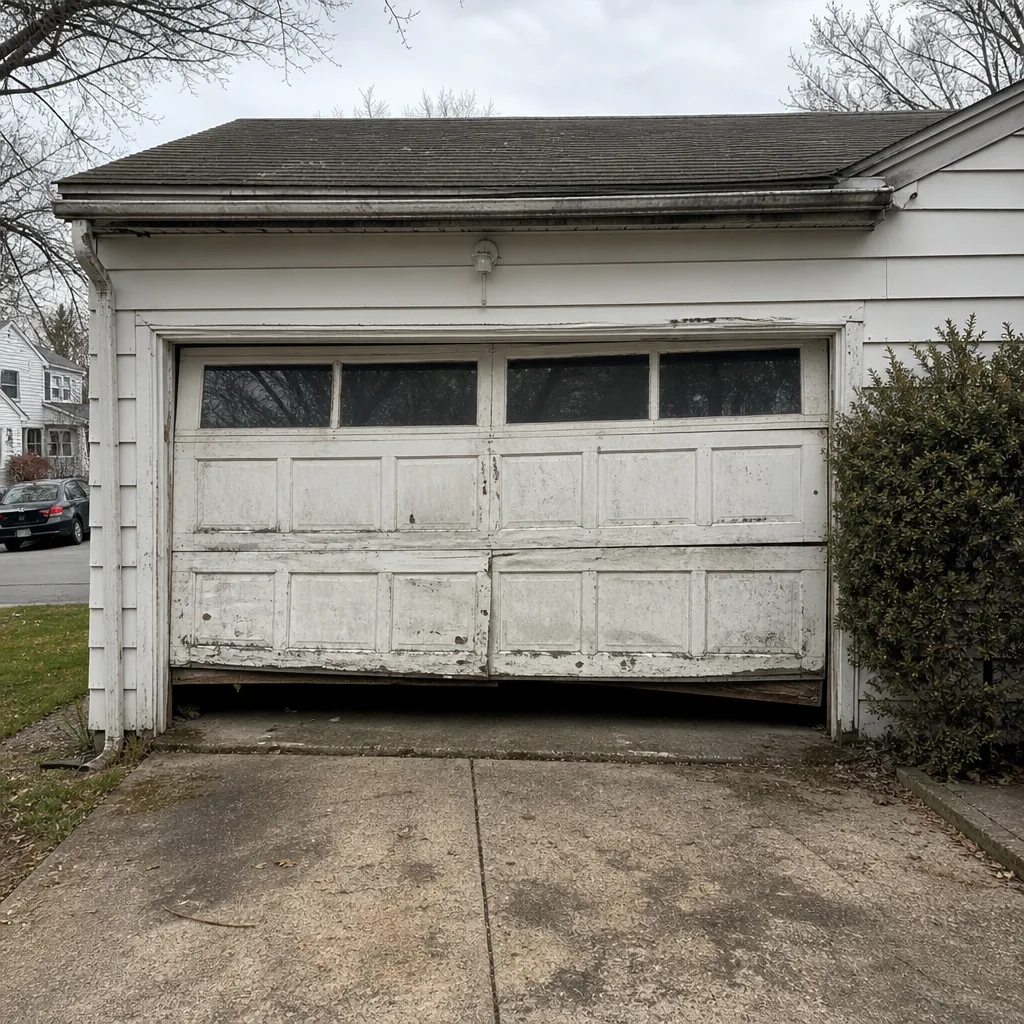
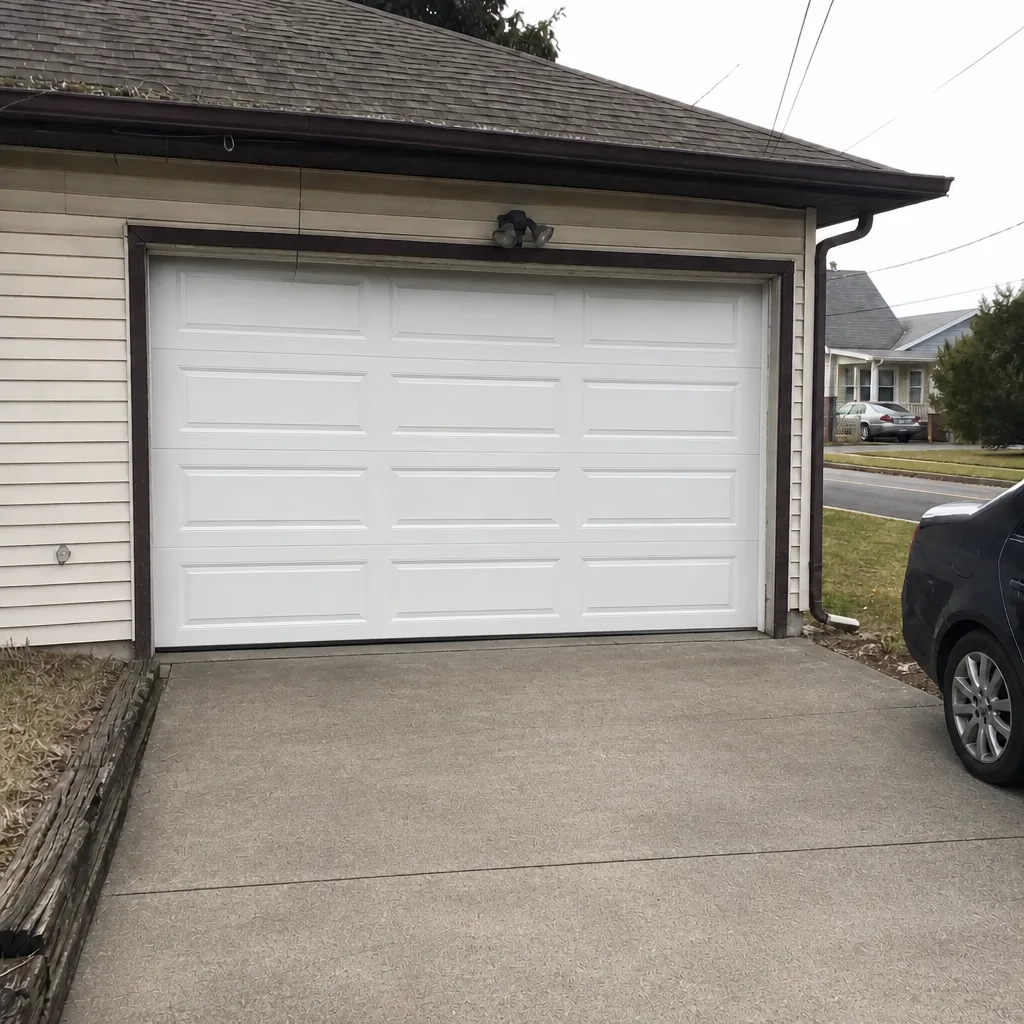
See the difference
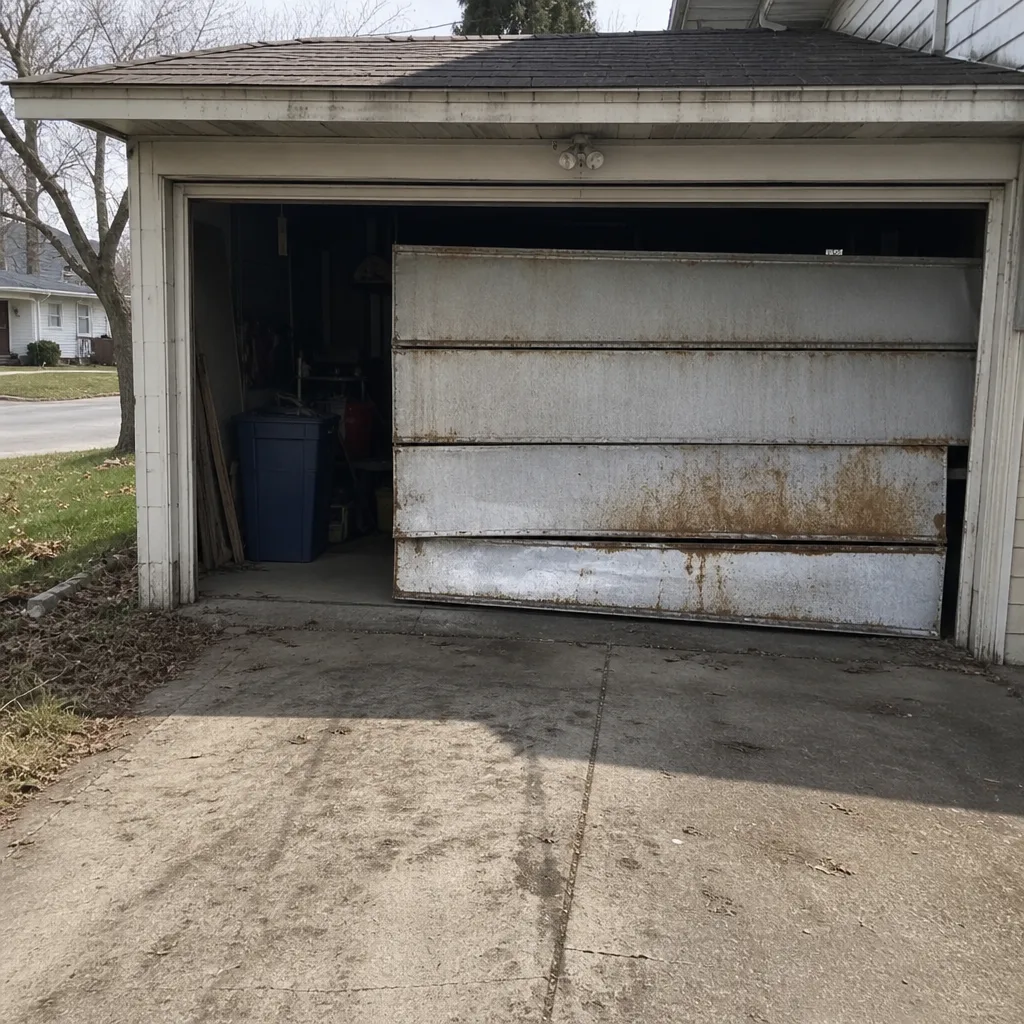 Before
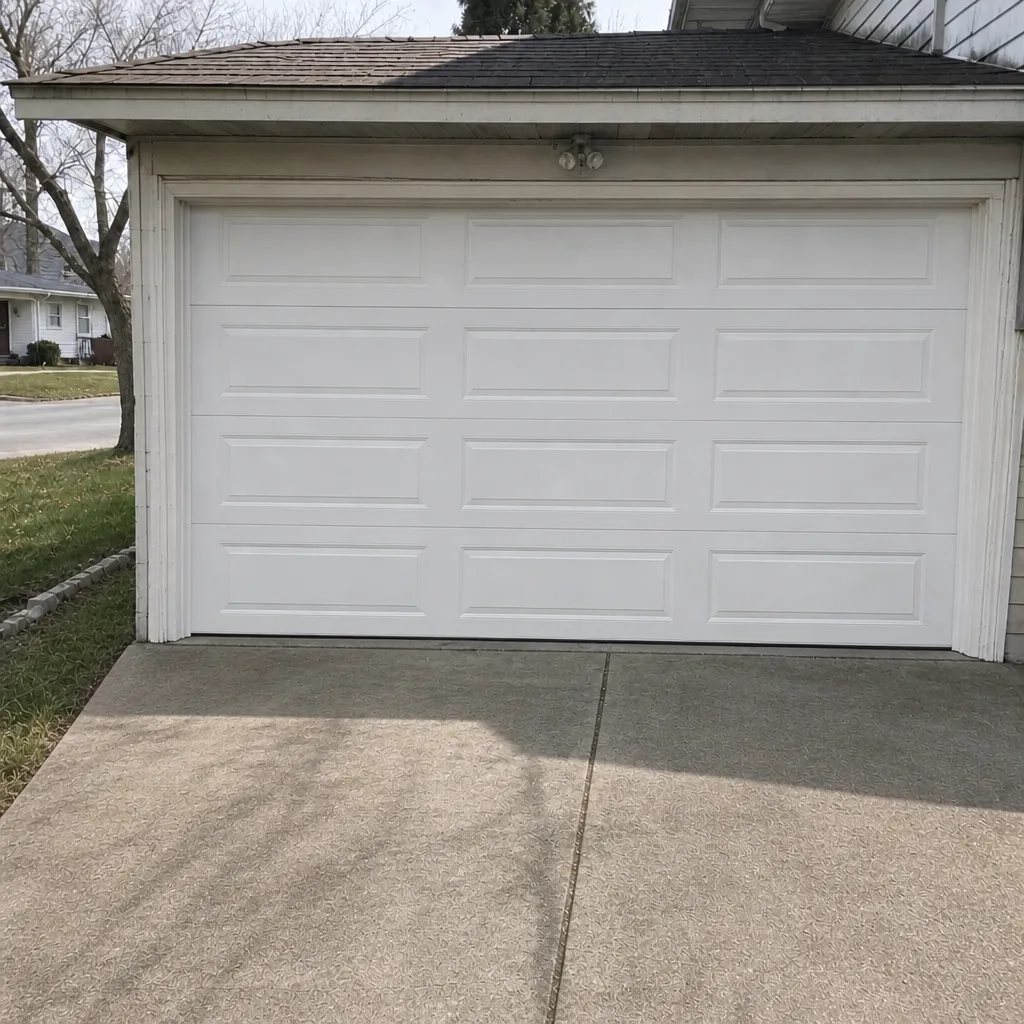 After
 Before
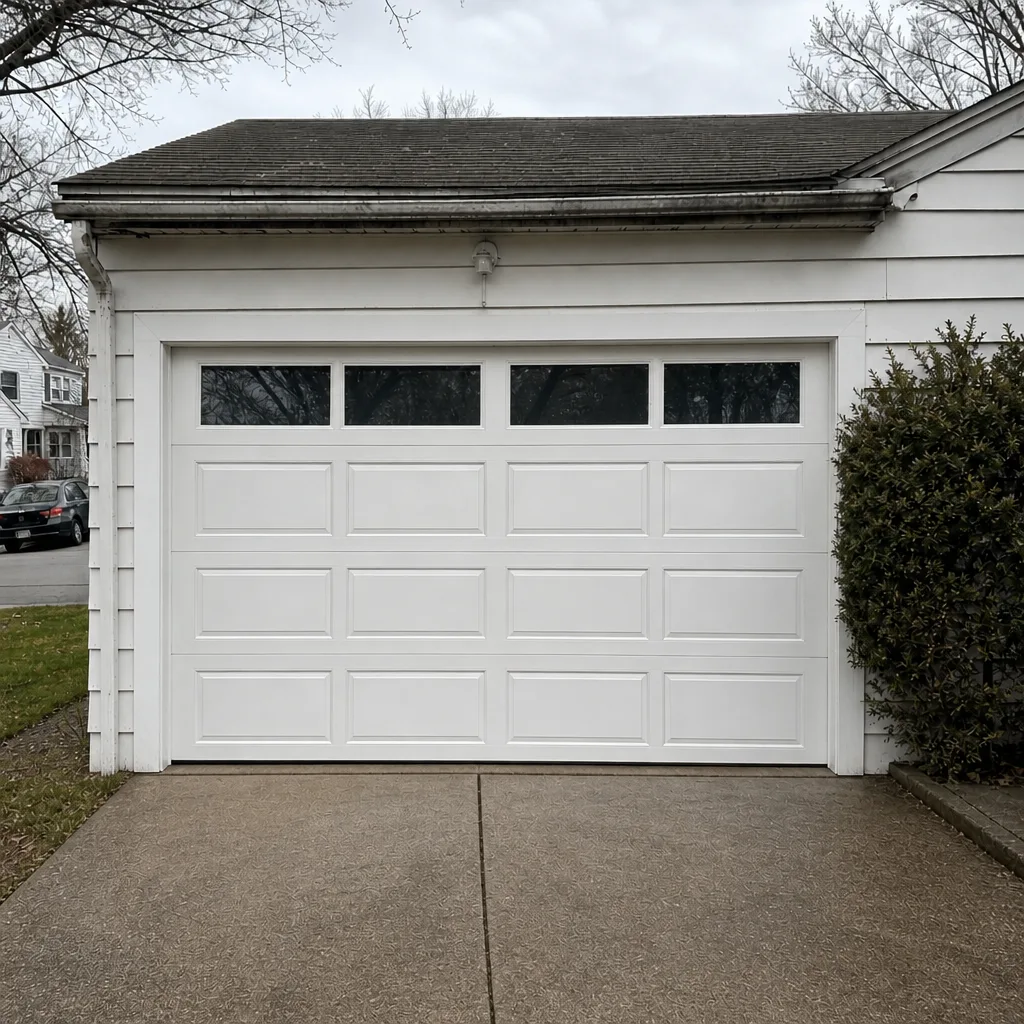 After
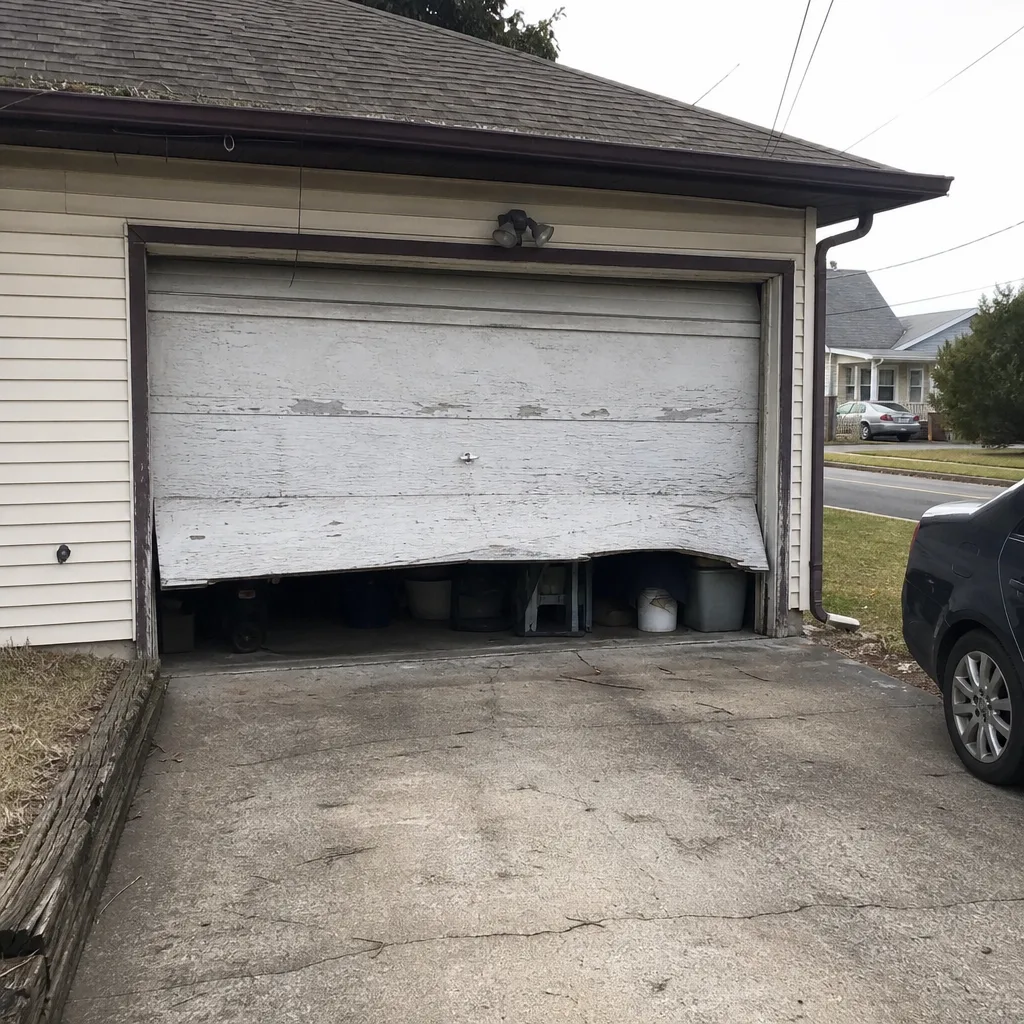 Before
 After
Frequently Asked Questions
For most Allentown homeowners, Clopay and Amarr are the strongest all-around picks: solid construction, standard hardware, and good local parts availability. Wayne Dalton makes a good insulated door but uses more proprietary parts, and CHI quietly offers heavier steel for the price. The brand matters less than the gauge, the springs, and the installation. Call (866) 401-7289 for a free estimate on what fits your door opening.
Yes, mostly for parts. Clopay, Amarr and CHI use standard hardware that’s easy to source in the Lehigh Valley. Wayne Dalton uses proprietary components on some models, which can mean a longer wait. Raynor is common here but less stocked locally. If your door needs work and you’re not sure about parts, call (866) 401-7289 and we’ll tell you what’s realistic.
Ask five things: the steel gauge of the panels and frames, the spring cycle rating and wire size, whether the insulation is sandwich or faced, which components are brand-specific versus standard, and what the warranty excludes. Those five answers will tell you more than any brochure. If you already have a door and want a second opinion, call us for a free estimate.
Usually not, or only briefly and prorated. Most residential warranties cover panel defects for many years but treat springs, rollers, cables and hinges as wear items. Labor is almost never covered. Register the door with the manufacturer on install day, and if a spring has failed, call (866) 401-7289. Spring repair is a service we handle as a specialty.
It depends on the brand. Clopay, Amarr and CHI parts are typically stocked locally or next-day in the Lehigh Valley. Wayne Dalton proprietary parts and some Raynor components can take several days to a week. If you’re stuck waiting, or want to know whether a part is actually in stock, call (866) 401-7289 before you order.
No. LiftMaster, Chamberlain, Genie and Craftsman openers will lift almost any residential door. Matching brands is simpler for smart features and warranty handling, but the universal pairing works fine. What matters more is that the door is properly balanced and the opener is sized correctly. If your opener has failed, call (866) 401-7289 for a free estimate on repair or replacement.
The Bottom Line
The best garage door brand in Allentown isn’t the one with the best showroom display. It’s the one with honest steel, a real spring system, standard hardware you can source locally, and a warranty that gets honored. Clopay and Amarr are the safe picks for most homes. Wayne Dalton is worth considering for insulated doors if you accept proprietary parts. CHI and Raynor are worth asking about for the value-to-construction ratio. Match the door to Allentown’s freeze-thaw, humidity and road-salt reality, then pick an opener that plays well with it. Allentown Garage Door Repair Co works on all eight brands: LiftMaster, Chamberlain, Genie, Clopay, Amarr, Wayne Dalton, Craftsman, and Raynor. One call covers the door and the opener. Free estimates throughout the Allentown area: call (866) 401-7289 and we’ll help you sort it out.
If you need the broader picture of how we handle residential garage door work in Allentown, start with Allentown Garage Door Repair Co.
Written by the team at Allentown Garage Door Repair Co.