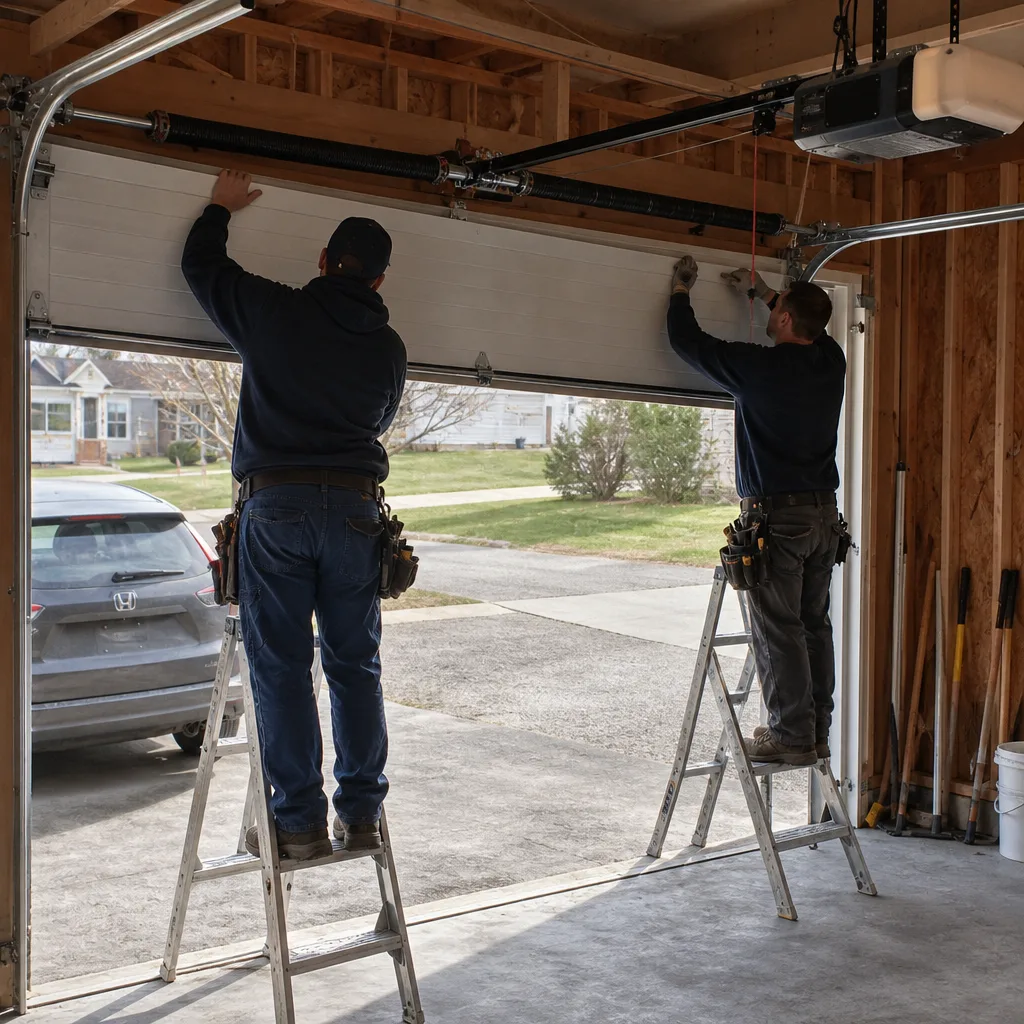
Last updated November 21, 2026
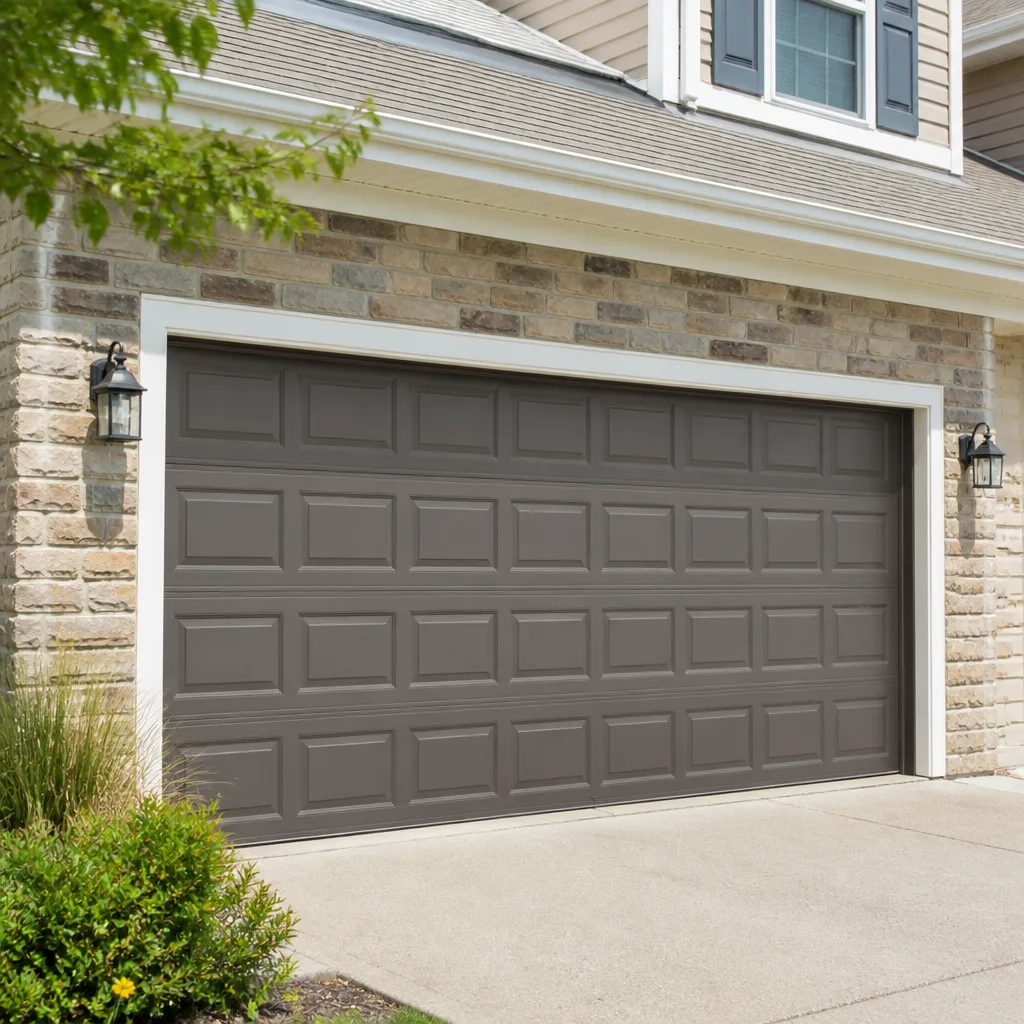 Raised-panel steel
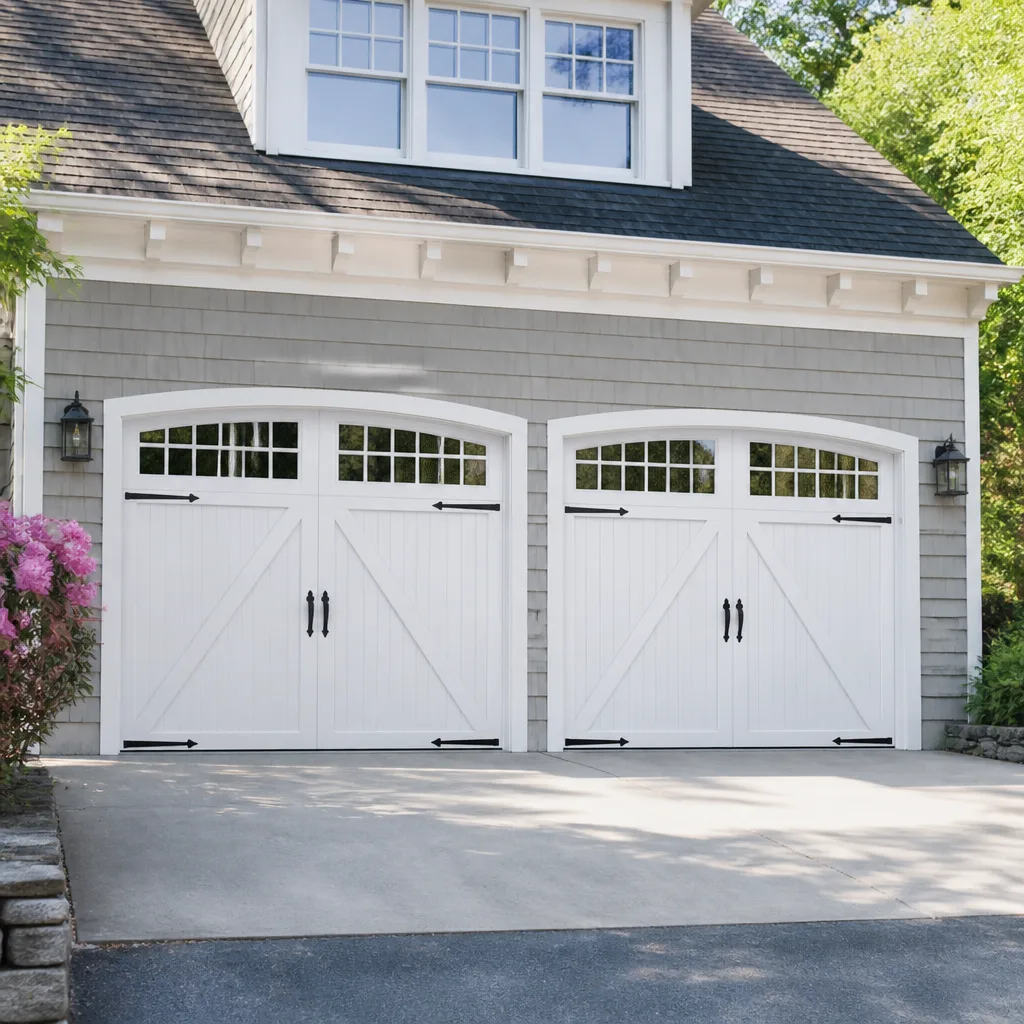 Carriage house
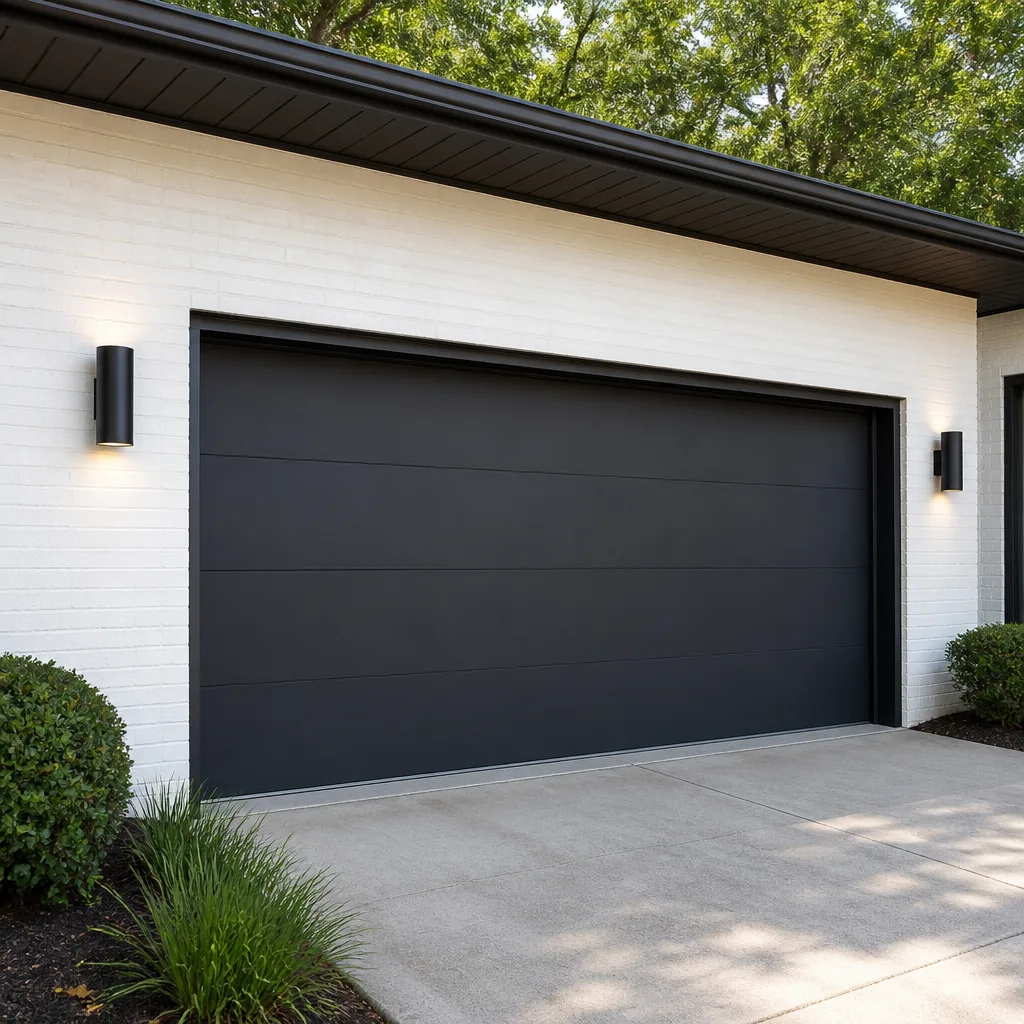 Modern flush
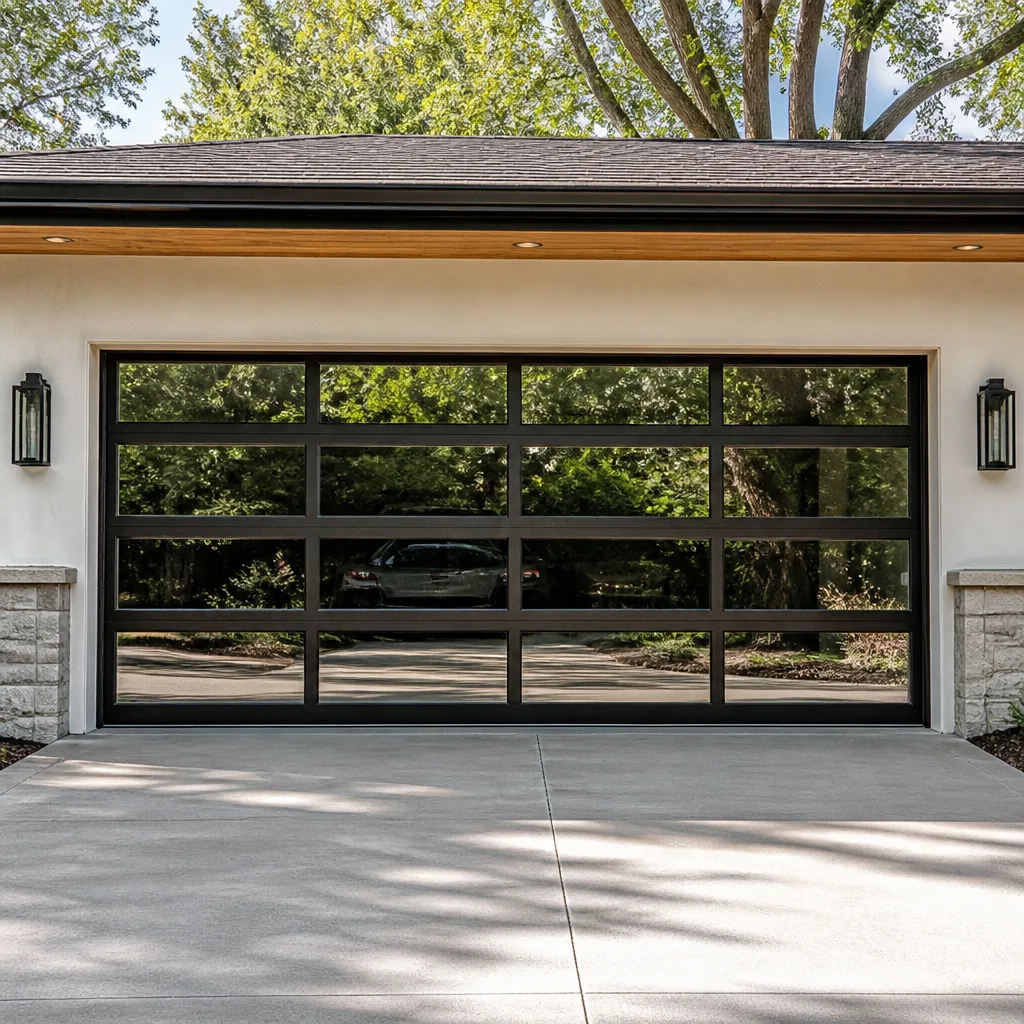 Full-view glass
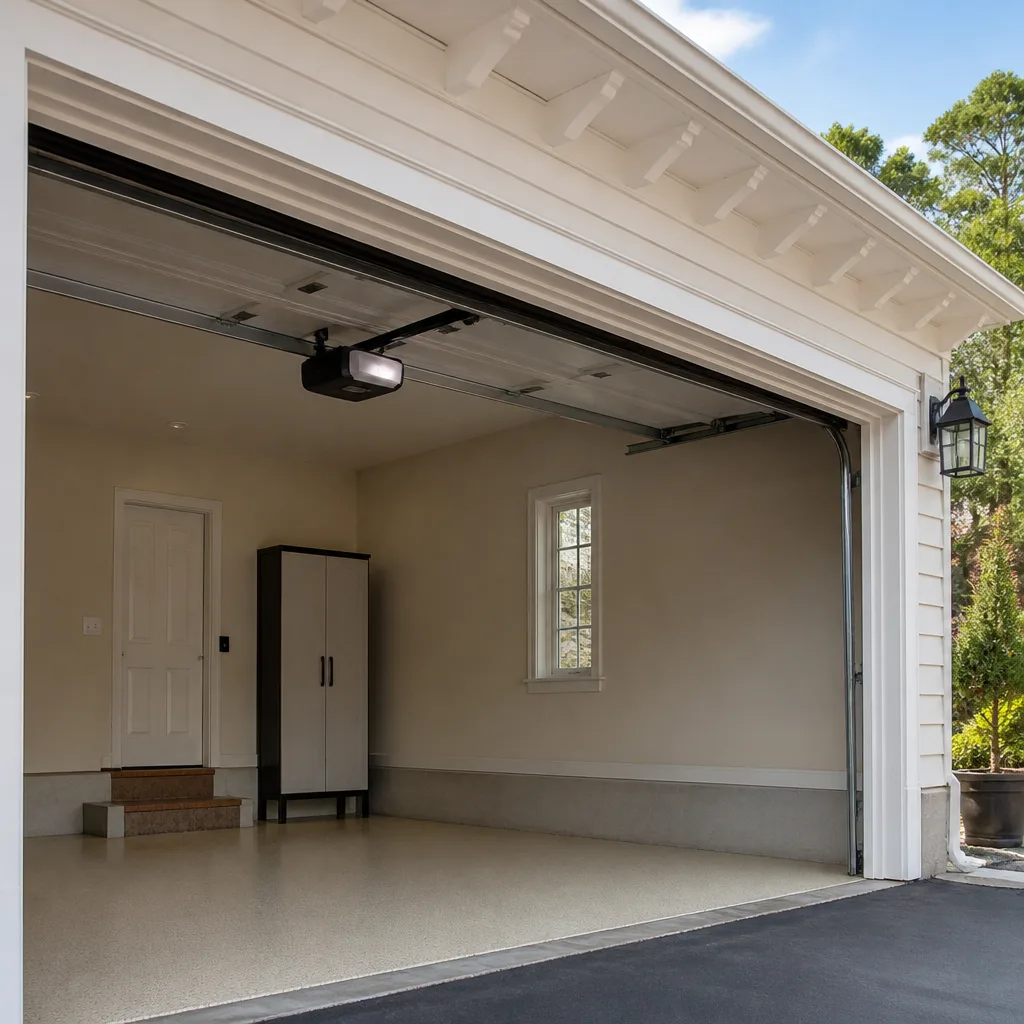 LiftMaster openers
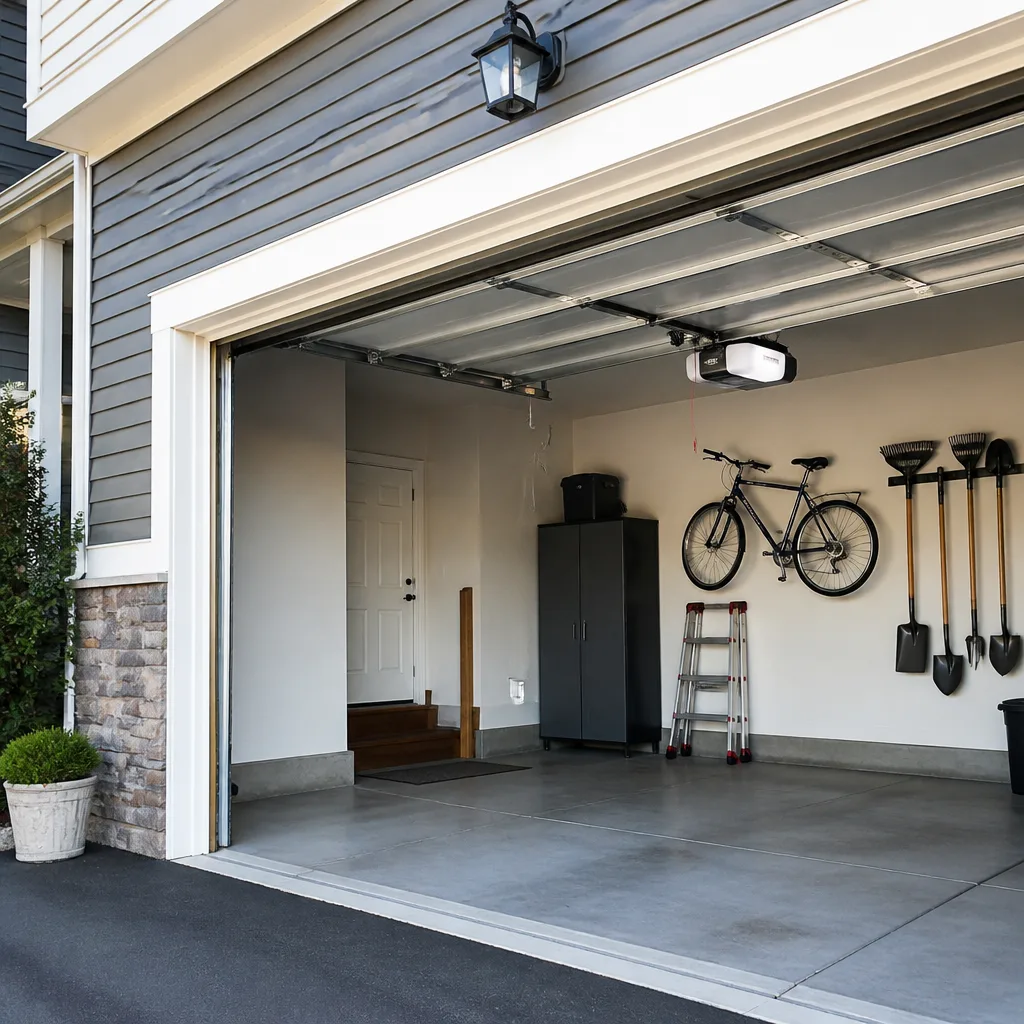 Chamberlain openers
Full 25-point door and opener safety check with every visit - springs, cables, rollers, tracks, and your LiftMaster or Chamberlain opener included
You get a price before we start. It does not change when the pro arrives.
Get your free estimateGarage Door Permits, Codes & Inspections in Allentown, PA: What You Need to Know
A garage door replacement that changes the structural opening size or adds a new motorized operator can require a building permit in Allentown – but most swap-and-go installs happen without one, leaving the homeowner exposed at resale when a buyer’s inspector flags the work. Here’s the part almost nobody explains: the permit isn’t really about the door. It’s about the record. A completed permit is proof, on paper, that the work you paid for was done to code, and that proof travels with the house. Without it, a future buyer sees an unpermitted modification and starts asking questions you won’t be around to answer. This guide walks through what actually triggers a permit in Allentown, how Pennsylvania’s Uniform Construction Code applies to residential overhead doors, what a code-compliant installation really requires, and how to confirm a job was done right without hiring an engineer.
Quick Answer
In Allentown, a garage door permit is typically required when the work changes the structural opening, adds or replaces electrical wiring for an opener, or replaces a fire-rated door between the garage and living space. A straight like-for-like replacement of the same size door on the same track usually doesn’t require one, but the city’s building department is the only authority that can tell you for certain on your specific address. Pennsylvania’s Uniform Construction Code (UCC) sets the statewide standard, and Allentown enforces it locally, so the final say belongs to Allentown’s code office, not to your installer and not to this guide.
Styles & brands we work with
- Raised-panel steel
- Carriage house
- Modern flush
- Full-view glass
- LiftMaster openers
- Chamberlain openers
Table of Contents
- What Triggers a Garage Door Permit in Allentown?
- How Pennsylvania’s UCC Applies to Residential Garage Doors
- What a Code-Compliant Installation Actually Requires
- The Fire-Rating Rule Most Homeowners Miss
- What the Inspection Covers
- How to Verify a Completed Job Was Done to Code
- Permits and Resale: What Buyers Look For
- Frequently Asked Questions
What Triggers a Garage Door Permit in Allentown?
The clearest way to think about it: a permit follows structural or electrical change, not routine replacement. If the work alters how the door fits the building, or touches the wiring, the city wants a record of it. If you’re swapping the same door back into the same opening with the same hardware, the answer is usually no.
The triggers most often found in Allentown:
- Changing the structural opening. Widening or heightening the door opening means cutting into the header, the jambs, or both. That’s structural work, and it requires a permit in any jurisdiction that enforces the UCC.
- New or replaced electrical for an opener. Adding a circuit, changing an outlet, or hardwiring a motorized operator is electrical work. Many Allentown homes wired their openers decades ago on a shared circuit.
- Replacing a fire-rated door between the garage and living space. An attached garage shares a wall with your house. The door in that wall is not a normal door. More on this below.
- Adding a door where there wasn’t one. Turning a solid wall into a garage opening is a structural and permit-heavy job.
- Converting a garage to living space or the reverse. Changes the occupancy of the room and the fire separation requirements.
What usually doesn’t require a permit: replacing a door with the same nominal size, replacing a torsion or extension spring setup on an existing door, repairing or swapping an opener on existing wiring, and routine track or roller repair. In our experience, the vast majority of the work we’re called to in Allentown falls under garage door repair and doesn’t touch a permit at all.
Two words of caution. First, running a new dedicated outlet for a LiftMaster or Chamberlain opener is electrical work, and electrical work in Allentown needs the city’s sign-off whether it’s inside the wall or in the ceiling of the garage. Second, a “simple” swap can turn structural fast – if the rough opening is out of square, or the old door was a non-standard size, your installer may need to modify framing. That’s the moment a permit question becomes real.
How Pennsylvania’s UCC Applies to Residential Garage Doors
Pennsylvania’s Uniform Construction Code is the statewide building code that applies to construction, renovation, and certain repairs in every municipality that opts into it. Allentown enforces the UCC for residential construction, which means the rules that apply to your garage door are drawn from a single statewide standard rather than a patchwork – but the enforcement, the permits, and the inspections all happen at the Allentown level.
Here’s what that means in practice:
- The technical requirements come from the UCC and the model code it references. A compliant door hangs and operates to those standards, not to whatever the installer feels like doing.
- The permit application, plan review, and inspection are handled by Allentown’s code office, not the state.
- When your installer says “the city will let us,” they mean Allentown’s code department, and you should hear it confirmed by the city rather than taken on faith.
- For existing single-family homes, some minor work is exempt. What counts as “minor” is a local call. Ask the city’s building department directly about your address.
Because Allentown enforces the UCC locally, the enforcement is a phone call away. Call the city’s building department, describe the work, and ask whether a permit is required. The person answering that phone is the one who decides. Not me. Not your neighbor with strong opinions. Not a contractor trying to keep a job moving. One call saves you an entire headache later.
We’ve watched the permit question come up more often over the last few years as Allentown’s housing stock turns over. Homes in the West End and along Hamilton Park sit in neighborhoods where buyers and their inspectors ask for documentation. Older homes in the 18102 and 18104 ZIP codes often have original single-car openings that a previous owner “upgraded” without a record. Buyers get nervous. Sellers get a whole category of repair they didn’t budget for.
For fully new installs, we walk our customers through the permit question before we take a measurement, so no one is surprised after the door is already on the truck. If you’re headed toward replacement, the planning starts with garage door installation – and the permit conversation happens before the order is placed, not after.
What a Code-Compliant Installation Actually Requires
Code compliance isn’t one thing. It’s a series of measurements and safety standards that have to line up, and the most common code problems in Allentown garages come from budget installs that skipped the measurements. Here’s what a compliant install actually calls for.
- Correct headroom. The ceiling space above the door has to accommodate the spring, tracks, and operator. Torsion springs need more headroom than extension springs. A door installed without checking headroom can force the installer to mount springs in ways that stress the shaft and shorten the whole system’s life.
- Correct side room. The horizontal clearance on each side of the opening determines how the vertical tracks and horizontal tracks are mounted. Bad side room forces shimming, and shimming is a shortcut with limited code tolerance.
- Photo-eye safety reversal. The UCC-referenced standards require the opener to have a working photoelectric safety eye. If a person or object crosses the beam, the door must reverse. Every LiftMaster, Chamberlain, and Genie opener we install ships with one, and it must be wired and positioned, not just screwed to the wall and left unconnected.
- Auto-reverse on contact. The door must reverse when it hits an object on the way down. That’s a mechanical standard governed by the opener’s force settings, which are set and tested on install. This is the single most common failure when a homeowner tests their door manually: the opener is still “opening the door,” but it’s no longer sensing contact properly.
- Safe clearance around the springs. Springs under tension are dangerous, and the installation has to make access to them safe for servicing. That’s a code and safety concern at once.
- Correct attachment to the structure. The door’s weight transfers into the building. Attaching a properly sized door to inadequate framing or a cracked header creates both a code and a life-safety problem.
On the door itself, we work across eight major brands: LiftMaster, Chamberlain, Genie, Clopay, Amarr, Wayne Dalton, Craftsman, and Raynor. That matters for compliance because each brand has its own headroom specs, track configurations, and opener force-setting procedures. A door spec sheet tells you what’s actually required. A contractor working that brand will know the spec sheet cold.
The measurements themselves are the boring part. The part that separates a compliant install from a “it works” install is the testing. Every opener we install gets cycled through the safety eye test and the contact reversal test before we leave. That’s not marketing. That’s how you know the door is done.
The Fire-Rating Rule Most Homeowners Miss
The door between your attached garage and the inside of your house is a fire-rated door. This surprises almost every homeowner we talk to, and it’s the single most misunderstood code point in residential garage door work.
Why it matters: an attached garage is the most common origin point for house fires in the U.S. Vehicle fires, battery charging, stored chemicals, the water heater – they all live in or near the garage. The wall between the garage and the living space is a fire separation, and any door in that wall is part of the separation. Building codes have required a fire-rated door there for decades, and the standard is the same one referenced by the UCC.
What that means for you:
- If your attached garage shares a wall with your house, the interior door in that wall should be fire-rated and self-closing.
- When you replace that door, the replacement has to be fire-rated to the standard for that location. A hollow-core interior door with the right paint job is not a compliant fire door.
- If a previous owner replaced that door with a standard interior door, a home inspector is likely to flag it at resale.
- Repair work on the garage-to-house door that preserves the existing rated assembly usually doesn’t need a permit, but a full replacement typically does.
Fire-rated exterior-overhead-door assemblies between the garage bay and the living space also exist, but they’re rare in residential work. The much more common case is the solid-core, self-closing interior door at the top of the garage stairs.
This is the point where paying for a permit and paying for an inspection both make sense. Fixing a fire separation after a home inspector finds it is a negotiation with a buyer. Fixing it before is a line item that never happens.
What the Inspection Covers
The inspection exists to confirm three things: that the door is what the permit said it would be, that the installation matches the code, and that the safety equipment works. It is generally not an engineer’s level audit of the design – which is exactly why having a clean install in the first place matters more than having a friendly inspector.
What a residential garage door inspection typically looks at:
- Structural opening and framing. Confirm the header, jambs, and rough opening match the permitted plan.
- Attachment. Check that the vertical tracks, brackets, and torsion or extension spring assemblies are anchored into structural members.
- Electrical for the opener. Confirm the new dedicated outlet or hardwired circuit matches the electrical permit.
- Auto-reverse safety systems. Test the photo-eye and the contact reversal function on the door itself.
- Fire-rated hardware between garage and house. If the work touched the door in that wall, confirm it’s rated and self-closing.
- Clearances. Verify headroom, side room, and movement clearances against the manufacturer’s installation instructions.
The inspection is a spot check. It’s not a warranty. If the install is sloppy but the door still meets the checkpoints, the inspector may pass it. Which is why getting the install done right in the first place is the real protection – the inspection confirms a good installation, it doesn’t create one.
If you’re replacing a door that connects to a second motor or a smart opener, plan for the electrical portion of the inspection to run in parallel with the door portion. That means your electrician and your installer schedule together. In our experience, that’s the one piece of the job that delays an Allentown inspection most often.
How to Verify a Completed Job Was Done to Code
You don’t need to hire an engineer or a private inspector to know whether your installation was done well. You need to look at six things and ask for three pieces of paper.
What to check yourself:
- Cycle the door and test the safety eye. With the door fully open and the opener engaged, wave your hand through the safety beam. The door should reverse immediately. If nothing happens, the eye is unplugged, misaligned, or dead.
- Test the contact reversal. Place a piece of 2×4 flat on the floor in the path of the door. Close it. The door should reverse on contact. If it doesn’t, the force settings need to be adjusted or the opener needs service.
- Look at the spring. A properly installed torsion spring sits on a winding shaft with fully seated cables. You don’t need to touch it. You need to see it’s centered and not resting against anything that would drag as the door opens.
- Confirm the door balance. Disconnect the opener and lift the door halfway. It should stay there under its own spring tension. If it falls, the spring is undertensioned or the door is out of balance.
- Look at the fire door. If there’s a door between your garage and house, check that it’s solid-core or labeled as fire-rated and that it closes on its own.
- Inspect the electrical. Look for a dedicated outlet with the opener’s plug in it, and a properly finished junction box if anything is hardwired.
What to ask the contractor for:
- The permit number, if one was pulled, and a copy of the signed-off inspection card.
- A written invoice that names the door brand and model and the opener brand and model, not just “new door installed.”
- The manufacturer’s installation instructions and warranty documents for the door and opener.
If the contractor can produce all three, you have a clean record. If they can produce the first one but not the other two, ask why.
One more check for anyone with a modern opener: if you have a LiftMaster or Chamberlain with MyQ or a similar smart feature, the app will log every open and close. Open the app and look at the safety-eye alarm history. Any code-fault cycles recorded there should have been addressed on the install trip. If they weren’t, the door isn’t finished.
Permits and Resale: What Buyers Look For
When your home goes on the market, a buyer’s inspector does not inspect your door for aesthetics. They inspect it for compliance, and they ask for documentation. An unpermitted modification shows up as a question mark on the report even if the work is actually fine. The question mark lands on your side of the negotiating table.
What buyer’s inspectors typically check on a garage:
- Whether the auto-reverse and safety eye work
- Whether the spring and track are attached to structural framing
- Whether the door between the garage and house is a rated door and self-closes
- Whether the opener wiring is finished and on its own outlet
- Whether any obvious structural alteration was made to the door opening without a permit
The last item is the one no one “fixes” cheaply. Reopening a past alteration, redoing framing, and redoing electrical just to satisfy a buyer who’s about to walk away is a costly sequence. But that’s the sequence an unpermitted Allentown install can leave you in.
There’s one more angle worth knowing. Most homeowner insurance policies cover the home as it exists, and an unpermitted structural change can complicate a claim. That’s not a scare tactic, it’s just how carriers look at the file. A permit and a signed-off inspection are documentation. Documentation protects you when you need to use your policy, whether or not you ever sell. We can work with your insurer if a repair goes to a claim – but the cleanest file is the one that was documented at install time.
The most straightforward rule is this: if you’re not sure whether the job needs a permit, call Allentown’s building department before you hire anyone. And ask your contractor to confirm in writing what they will pull. That single line in a written estimate tells you everything about how the job will go. If you’re ready to talk through what a proper install for your home looks like, our team handles Allentown Garage Door Repair Co work for every step from measurement to final test – with the estimate quoted and agreed before work begins.
Common Mistakes to Avoid
- Skipping the permit to keep the schedule. A permit adds some paperwork and a few days to the timeline. Reworking a structural install after the fact adds a whole category of cost and stress. Pull the permit for jobs that need one, and don’t let anyone talk you out of it.
- Assuming “it works” equals “it’s compliant.” A door can cycle smoothly and still have a dead safety eye, a failing contact reversal, or an underwired dedicated outlet. The door has to work to code, not just to your satisfaction.
- Replacing the garage-to-house fire door with a standard interior door. This is the most common unpermitted shortcut we see on older Allentown homes, and it’s the one a buyer’s inspector flags fastest.
- Adding a smart opener without checking the electrical. A LiftMaster or Chamberlain smart opener draws what the previous opener drew, plus the outlet for the bridge. If it lands on a shared garage circuit that also powers a freezer, you’ll be troubleshooting the wrong thing for a week.
- Letting a generalist handyman take a structural job. A door swap that turns into a frame modification is the exact point where “we can handle that” stops being true for a handyman. That’s a permit and a garage door specialist’s job.
- Not asking for the inspection card. The signed-off card is the only piece of paper that proves the door in your house meets the code that will be enforced when you sell. Ask for it. Keep it with your home documents.
- Assuming your Allentown permit will be equally valid in another city. If you’re outside Allentown and reading this (or moving), the local code enforcement varies. Check with the local building department where the house actually sits, even if a neighboring city handled the same type of job without a permit.
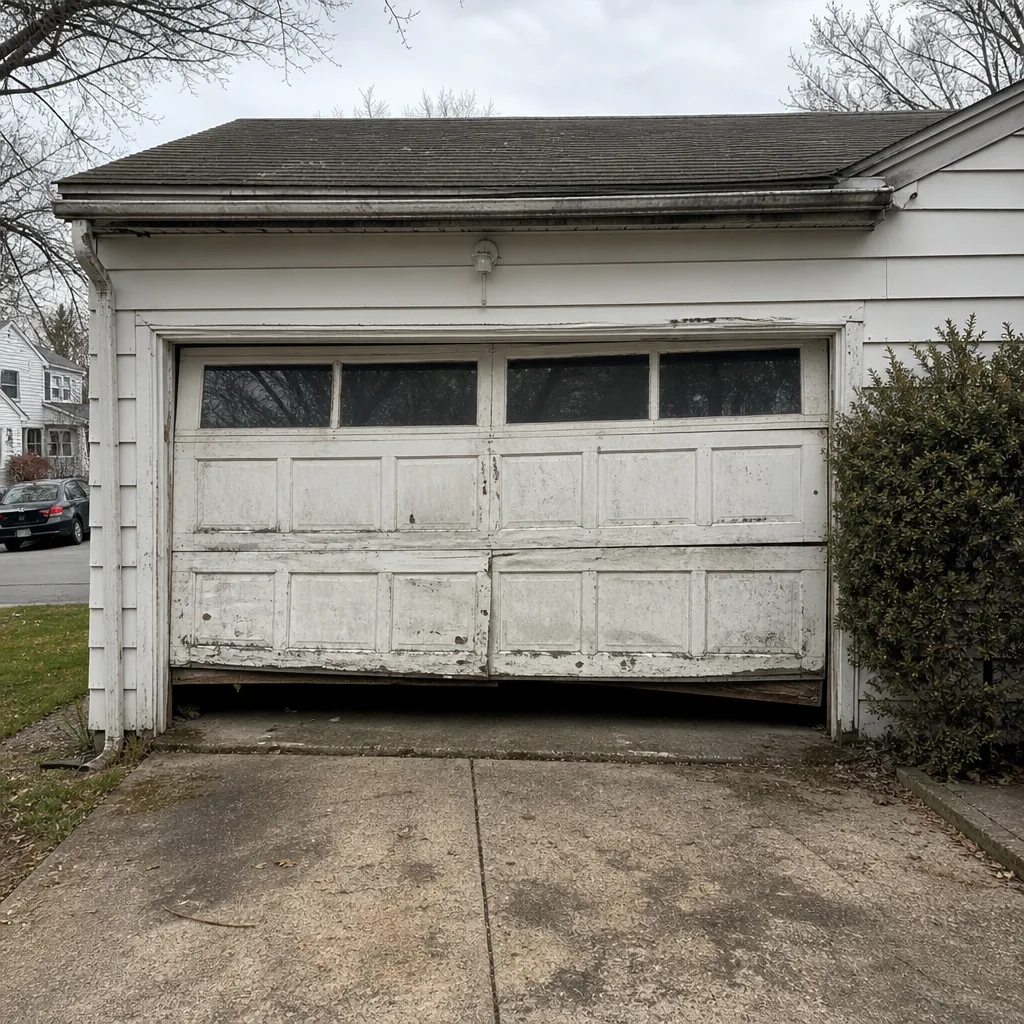
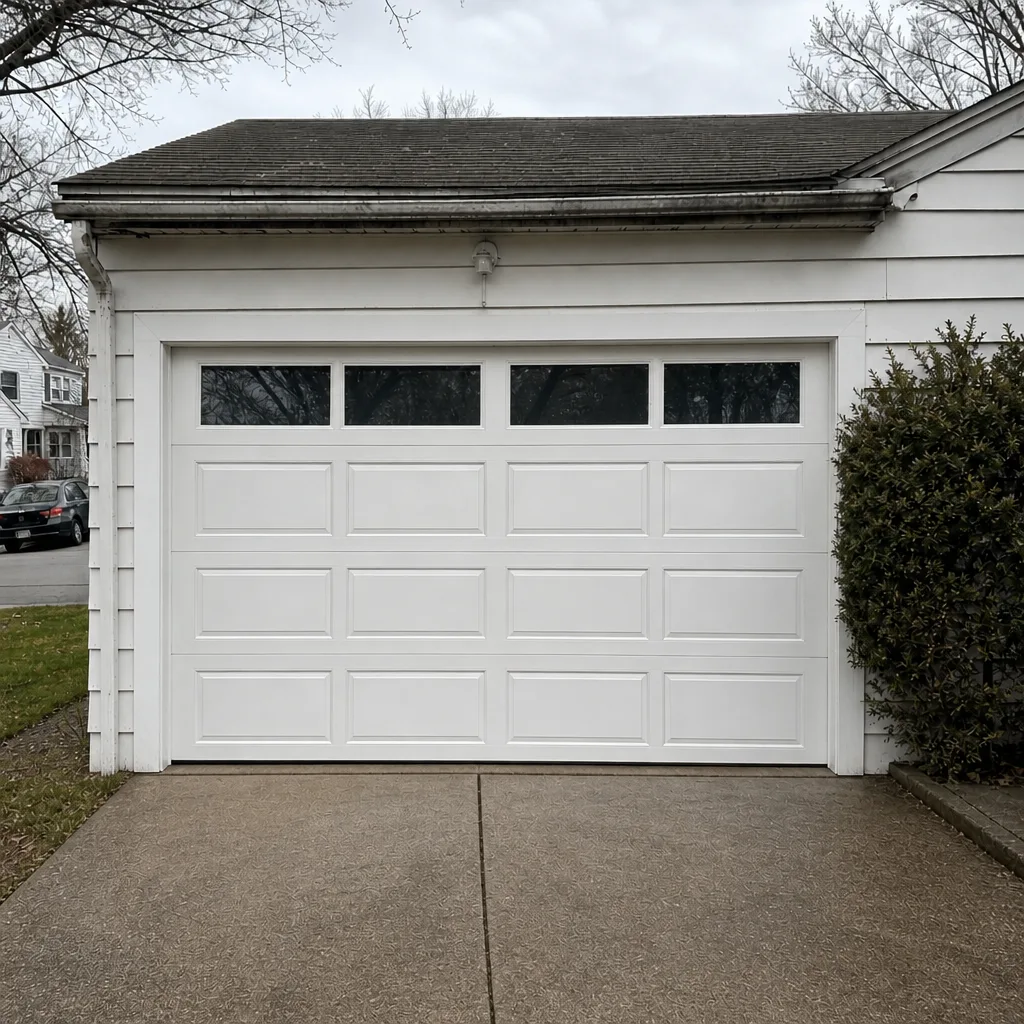
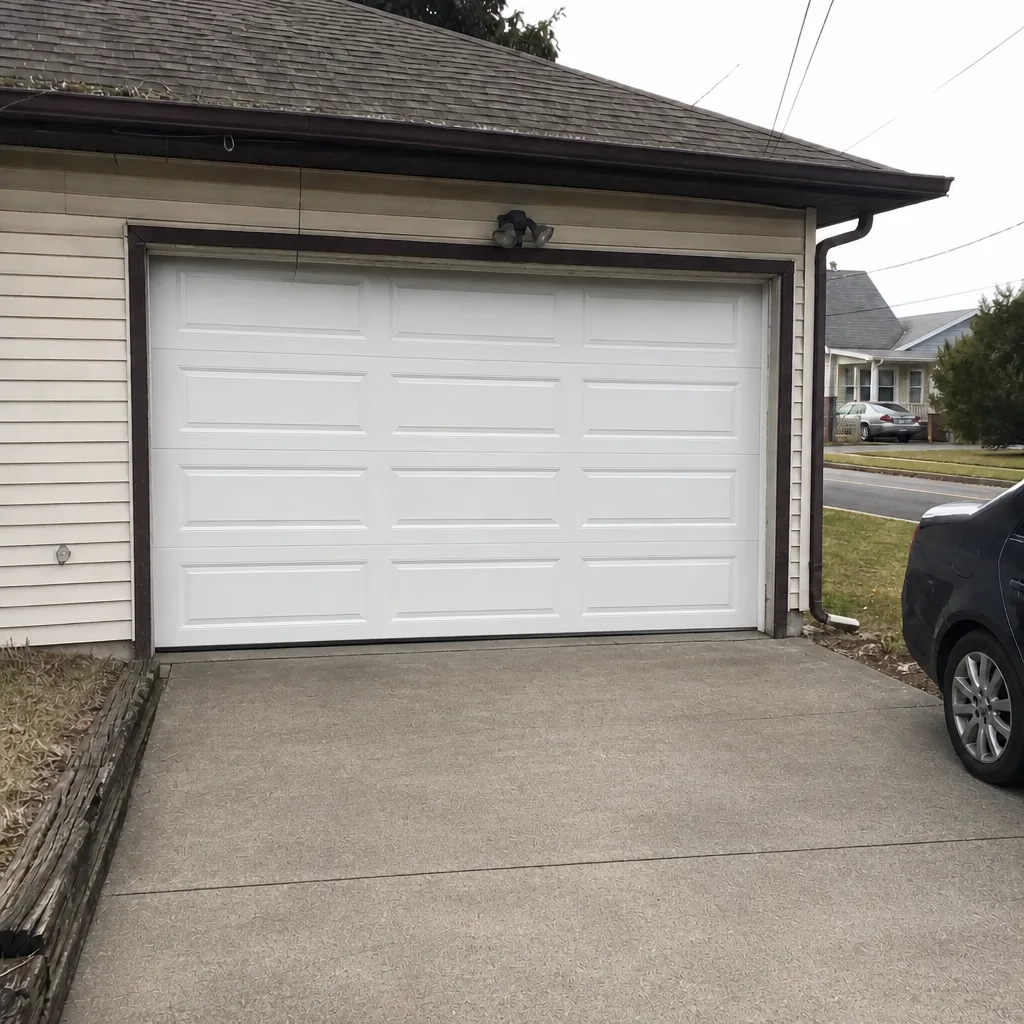
See the difference
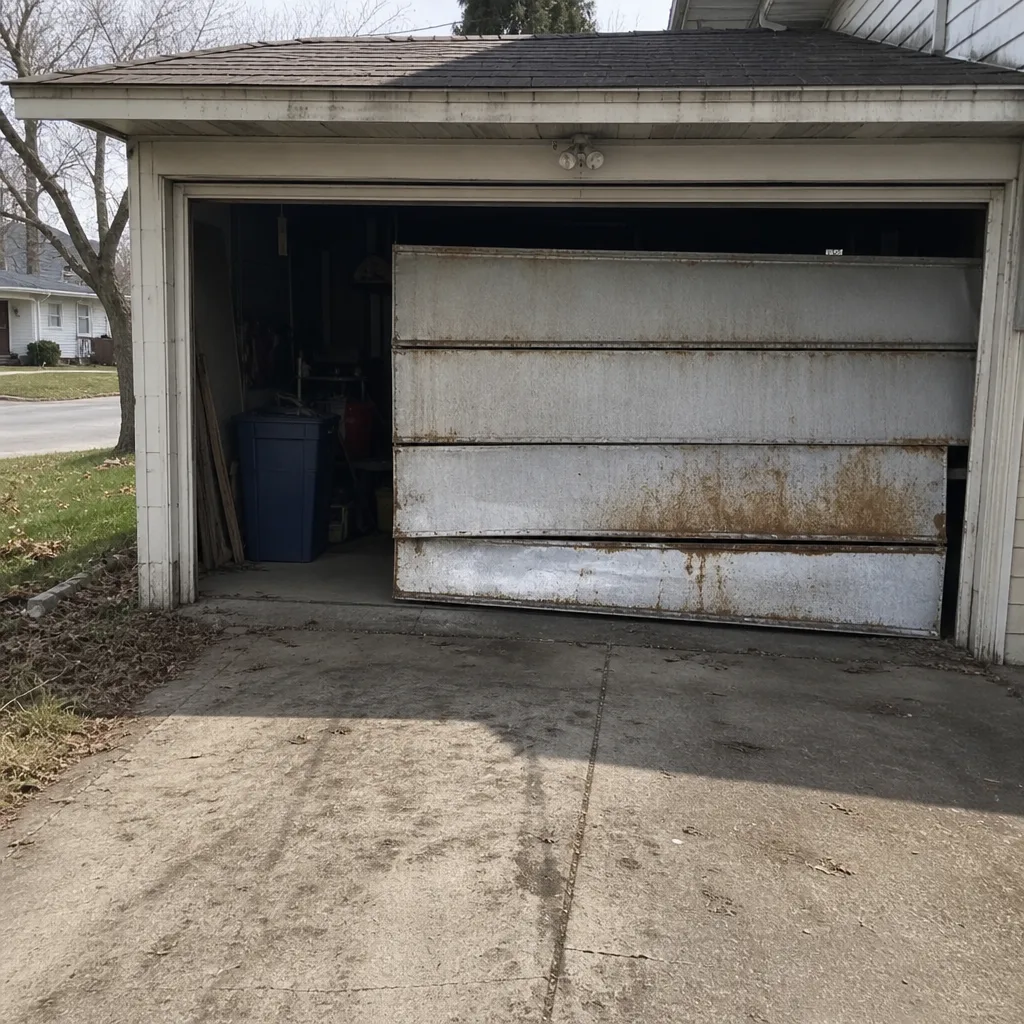 Before
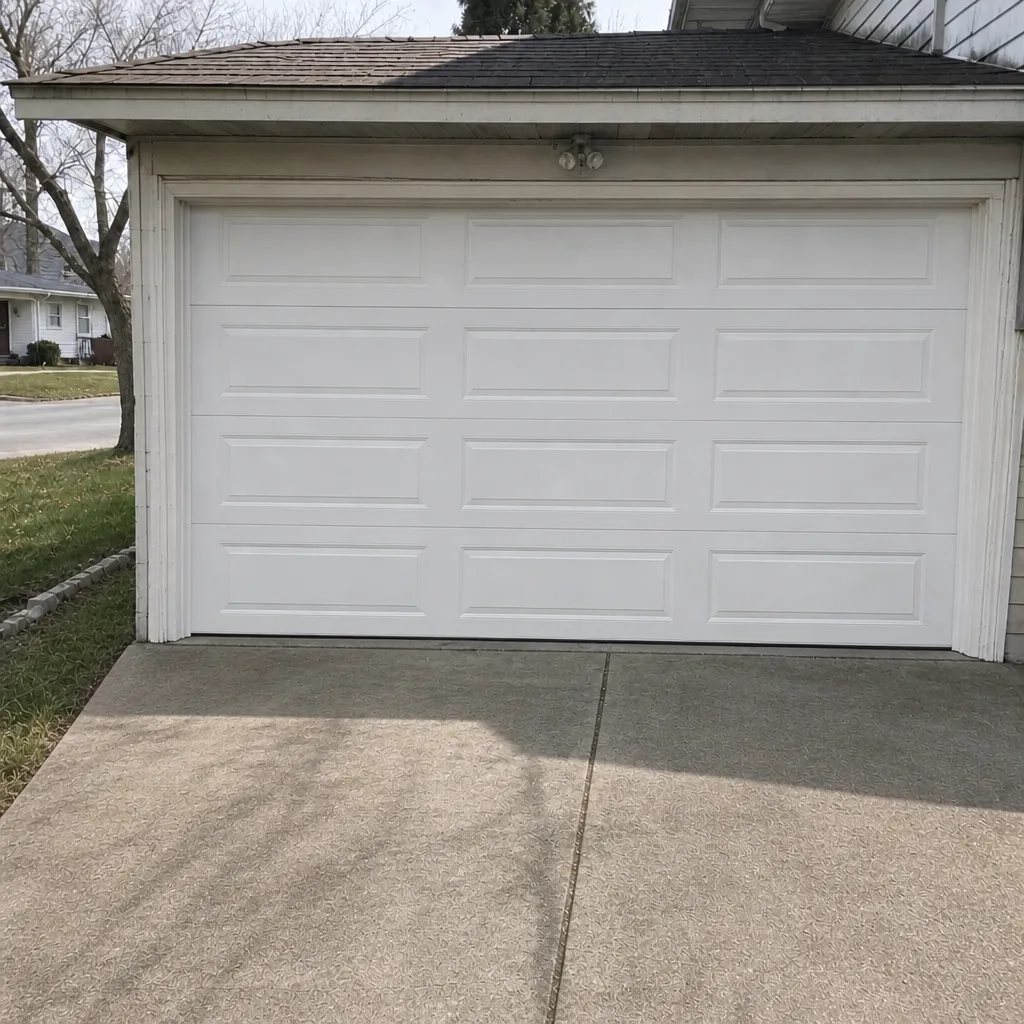 After
 Before
 After
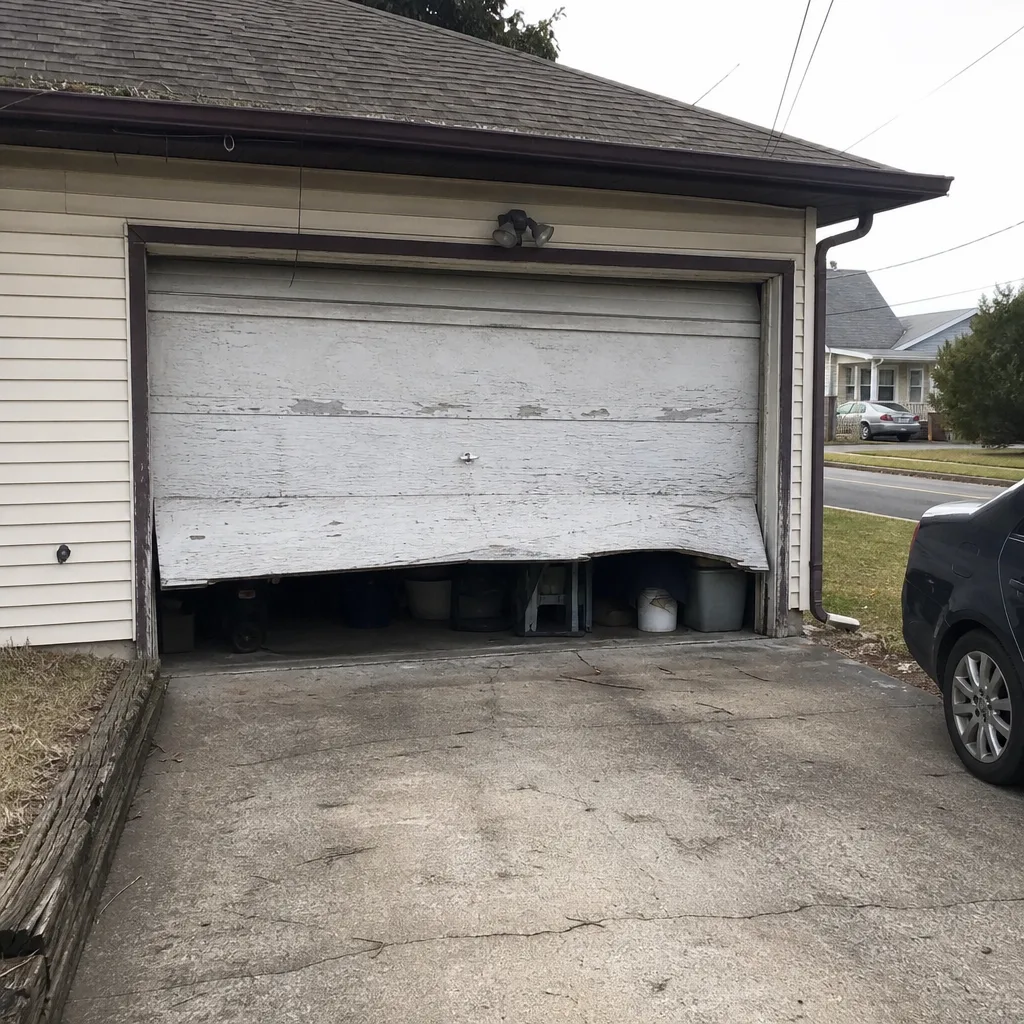 Before
 After
When to Call a Professional
A handful of situations in Allentown really do call for a professional on site, because the risk of a wrong answer is too high for a DIY check. A broken spring on a torsion system requires trained hands – high-tension steel under load is not something to investigate on your own. Any structural change to the door opening, any new electrical for an opener, and any replacement of the fire-rated door between the garage and the house should be handled by someone who knows what Allentown’s code office will want to see. And if your buyer’s inspector flags a past unpermitted install, call before you try to reverse-engineer the fix; a trained install is often the fastest path to a clean document. If you’re in a bind with a door that won’t move or an opener that’s dead, we run emergency service for that exact situation, and emergency work is the kind of thing our technicians trained specifically for across eight major door and opener brands. Allentown Garage Door Repair Co offers free estimates in Allentown – call (866) 401-7289.
Frequently Asked Questions
Not always. A like-for-like replacement of the same size door on the same track in the same opening usually does not need a permit, but any change to the structural opening, new electrical for an opener, or replacement of the fire-rated door between the garage and living space typically does. Allentown’s building department is the only authority that decides for your specific address. Call (866) 401-7289 for a free estimate and we can walk through what your job likely requires.
Prices depend on the door size, brand, material, opener, and whether the job is a straight swap or a structural change. We quote each job individually and in writing before any work starts, and the written estimate is what sets the final price. The permit, if one is required, is a separate cost set by Allentown’s code office. Call (866) 401-7289 and we’ll put together an estimate for your home.
Local pros are state-licensed and insured as their state requires, and we only connect homeowners with vetted local professionals. Our technicians have up to 12 years of experience working across eight major brands, including LiftMaster, Chamberlain, Genie, and Clopay. Estimates are free – call (866) 401-7289 for a written quote.
For emergency work, we do our best to move quickly, and emergency service is a core part of what we do – not an upsell. If a spring is broken or an opener is dead and the door won’t move, call (866) 401-7289 and we’ll get you on the schedule. We’re closed on Saturdays, but if the door fails on a Saturday, call and we’ll book you in for Sunday. For non-emergency installs and replacements, we schedule the measure and quote, then book the work – that’s the timeline that keeps the job done right.
Nothing stops working until you try to sell. Then a buyer’s inspector flags the unpermitted modification, and the burden of proof lands on you. The fix can range from pulling a retroactive permit to a re-do of the structural or electrical work. Call (866) 401-7289 for an estimate to bring the install up to code.
No. We measure and inspect in person before the estimate is written, and the written quote is the price. Anything that changes the cost – like discovering the rough opening is out of square – gets quoted and agreed before any work begins, never added to the invoice after the door is in. Free estimates – call (866) 401-7289.
The Bottom Line
A permits question in Allentown comes down to three things. Change the structural opening, the electrical, or the fire separation, and expect to pull a permit. Straight replacement of the same size door usually doesn’t need one. Either way, the paper trail is the point – the inspection card is what protects you when a buyer’s inspector, or an insurer, looks at the file. Everything else: check the safety eye, check the contact reversal, check the spring, check the fire door, keep the invoice with the brand and model on it. If you’re not sure whether your job needs a permit, call Allentown’s building department, then call us. Our technicians have up to 12 years of experience working across eight major door and opener brands, and we handle repair, spring work, garage door opener repair, installation, and emergency calls. Call (866) 401-7289 for a free estimate in Allentown.
Written by the team at Allentown Garage Door Repair Co.